Around North Carolina
Conditions vary across the state. Choose your city below, then describe what’s happening around your home or business.
Local termite information
Learn what to look for around your property, explore your city, and ask about an inspection or a quote.
Conditions vary across the state. Choose your city below, then describe what’s happening around your home or business.
Where you see termites, how long it has been going on, and anything you’ve already tried are the most useful details to mention.
Ask about an inspection, what treatment would involve, and whether follow-up visits are included. You don’t need to identify the problem yourself before getting in touch.
Before you compare quotes, it helps to know which termites actually live in North Carolina, when they are busiest, and what the state figures look like. Everything below links to the agency or university page it came from.
Multiple species with staggered swarm seasons mean swarmers can appear from late winter into fall.
NC State ExtensionA proper treatment uses a lot of product; very cheap quotes may mean under-application.
NC State ExtensionNative species begin swarming in late winter and continue into September or October, usually during the day on warm days following rain (NC State).
The NC Official Wood-Destroying Insect Information Report 'is the only form that is legal for this purpose and is required on almost every residential structure sold', and must be issued by a licensee of the NCDA&CS Structural Pest Control Division. NC State references state rules requiring drilling and treating attached slabs and voids near known activity. FDACS and UGA list NC among Formosan states.
Sources: NC State Extension; Biology of Subterranean Termites in the Eastern United States (B1209); University of Missouri Extension; Formosan Termite Program. Figures are quoted as the source prints them. How we check our sources
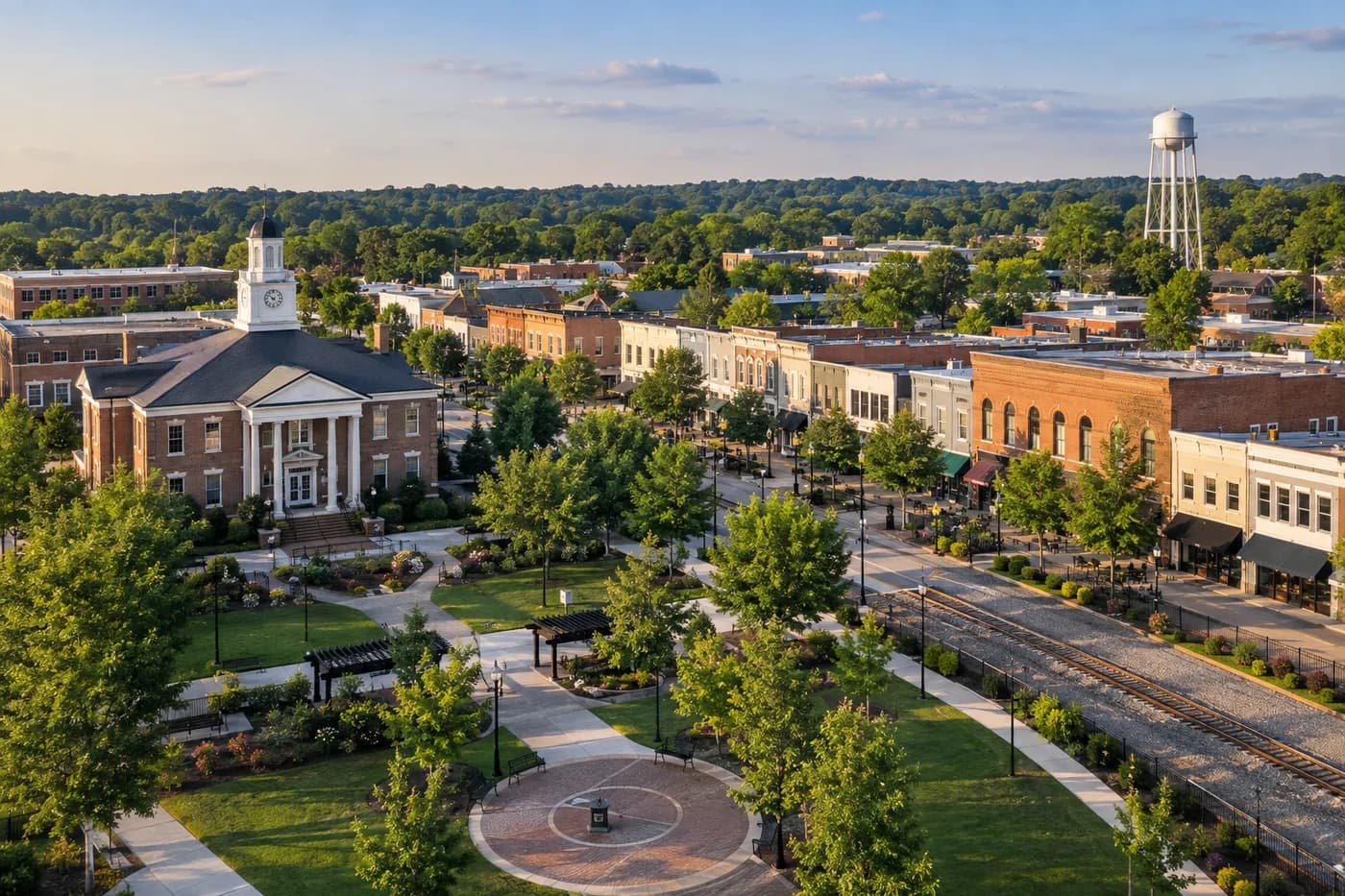
Humid Subtropical · suburban setting
Read the local guide →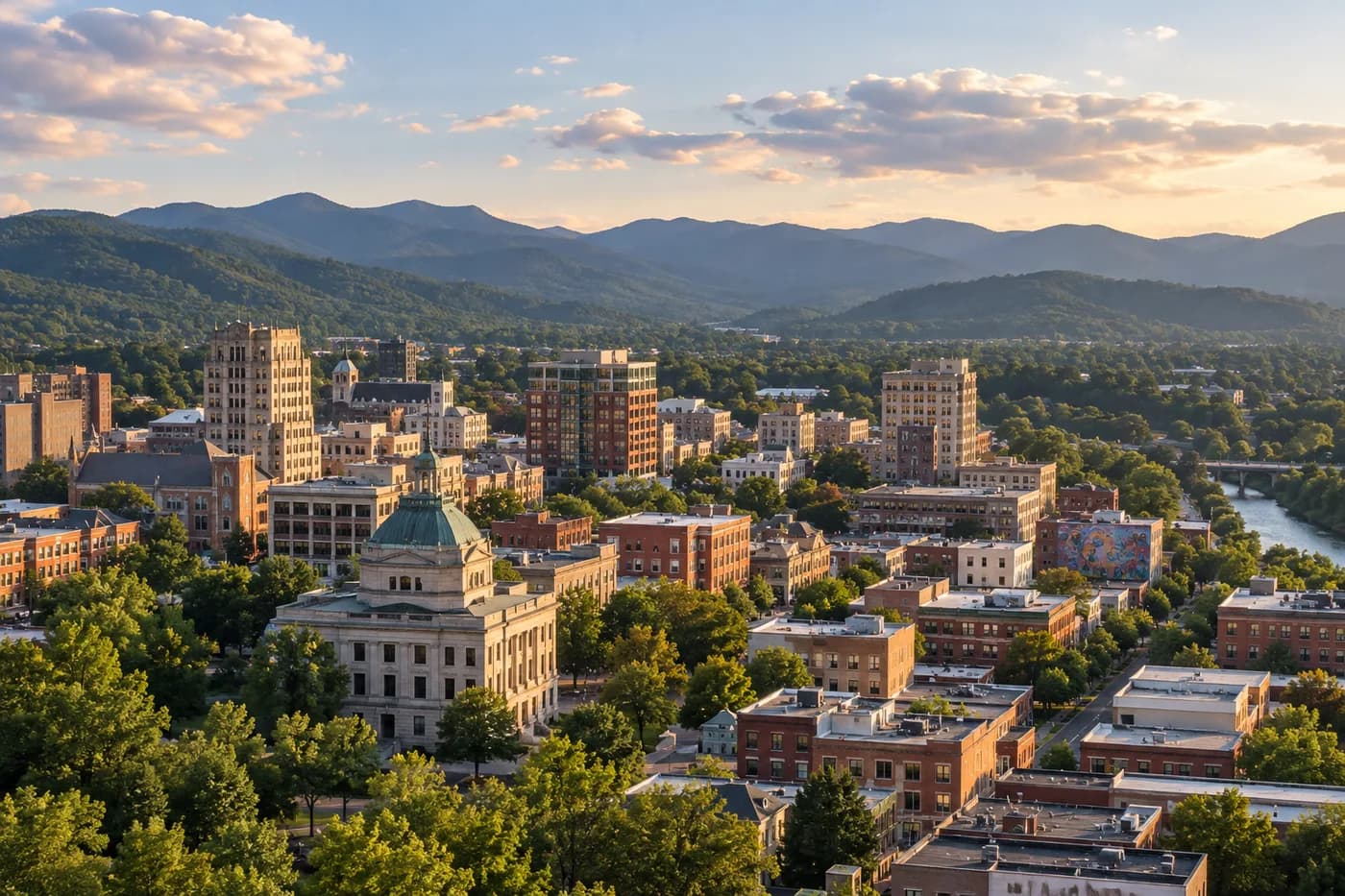
Humid Subtropical · urban setting
Read the local guide →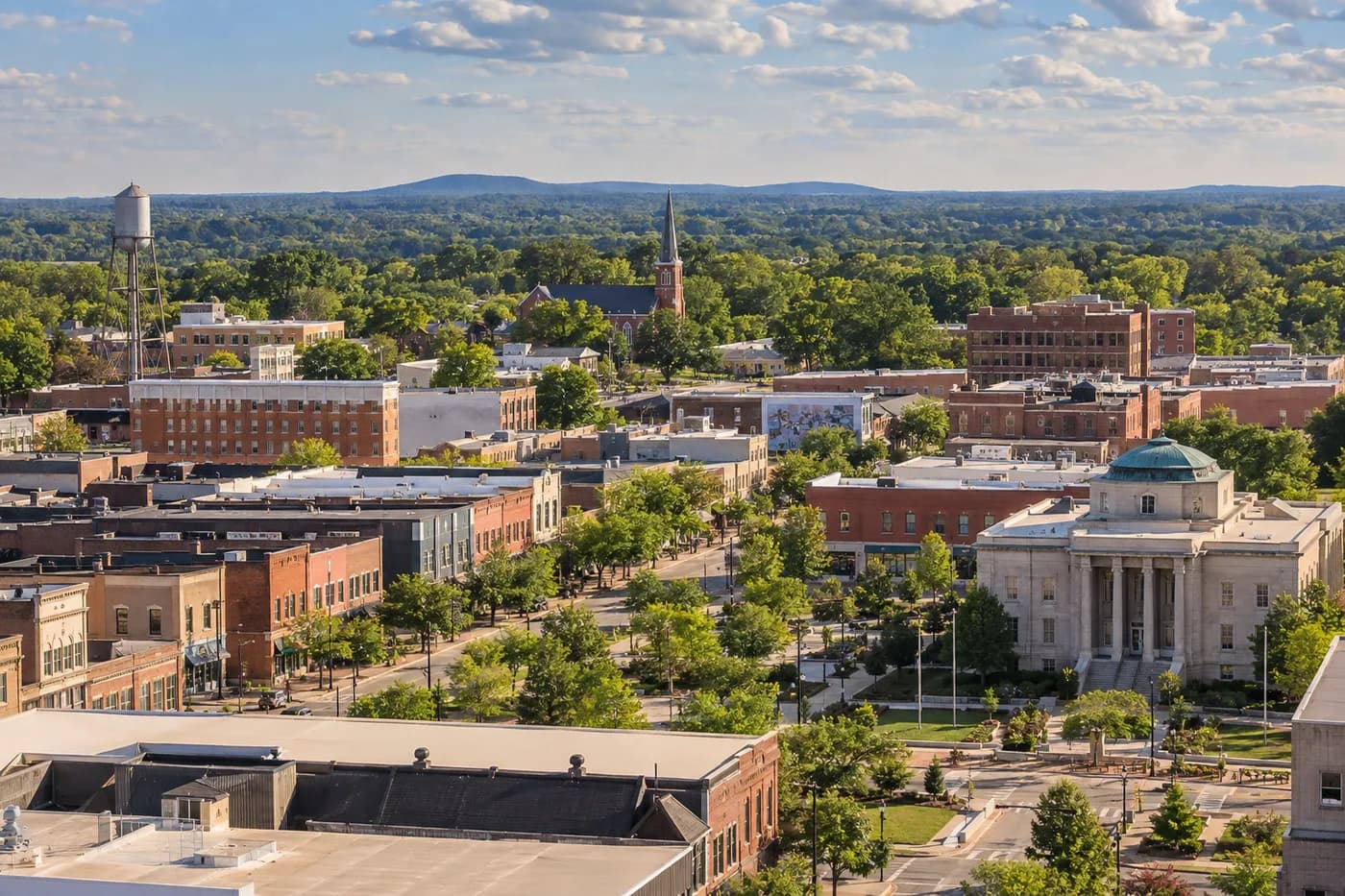
Humid Subtropical · suburban setting
Read the local guide →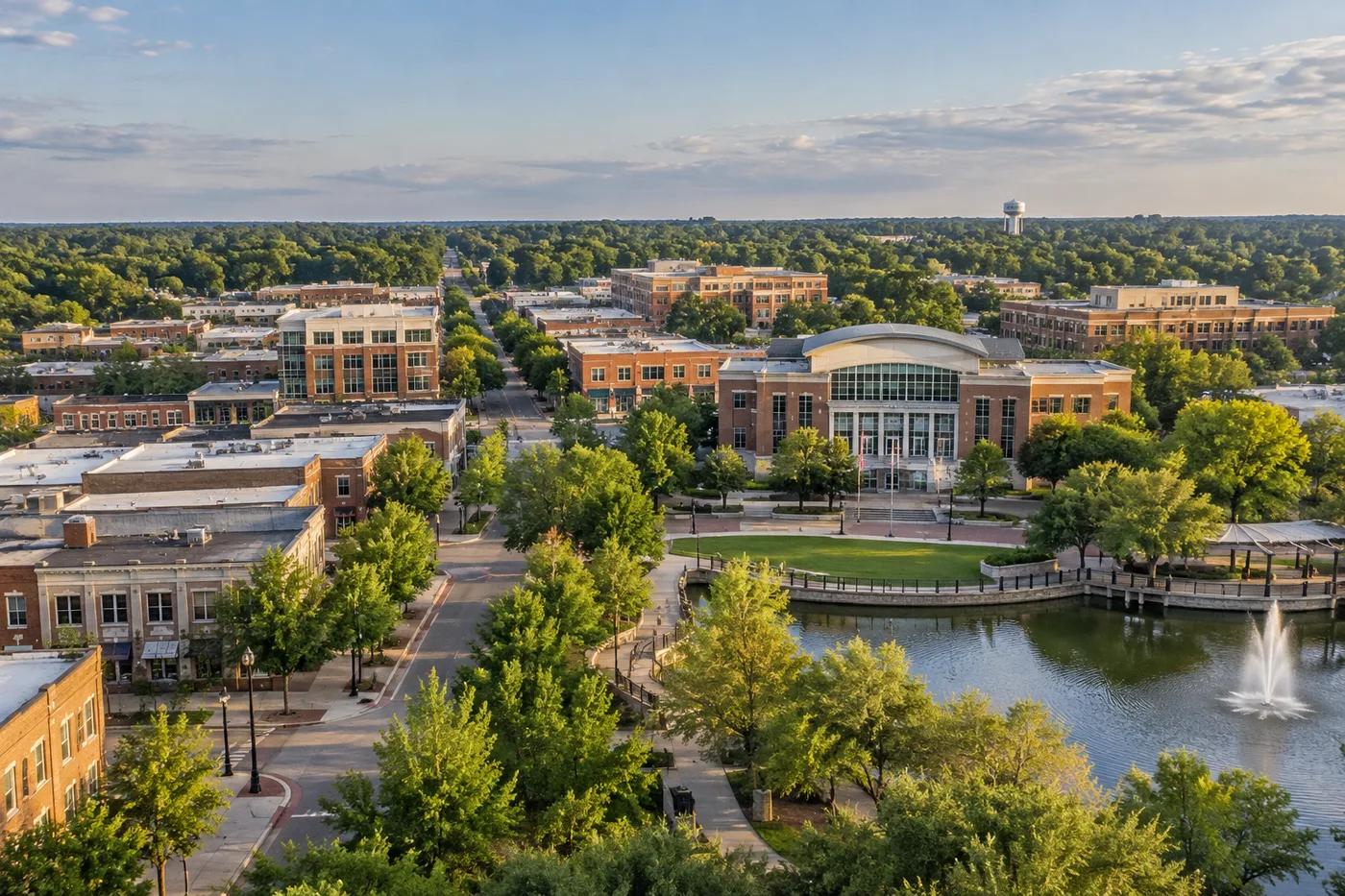
Humid Subtropical · suburban setting
Read the local guide →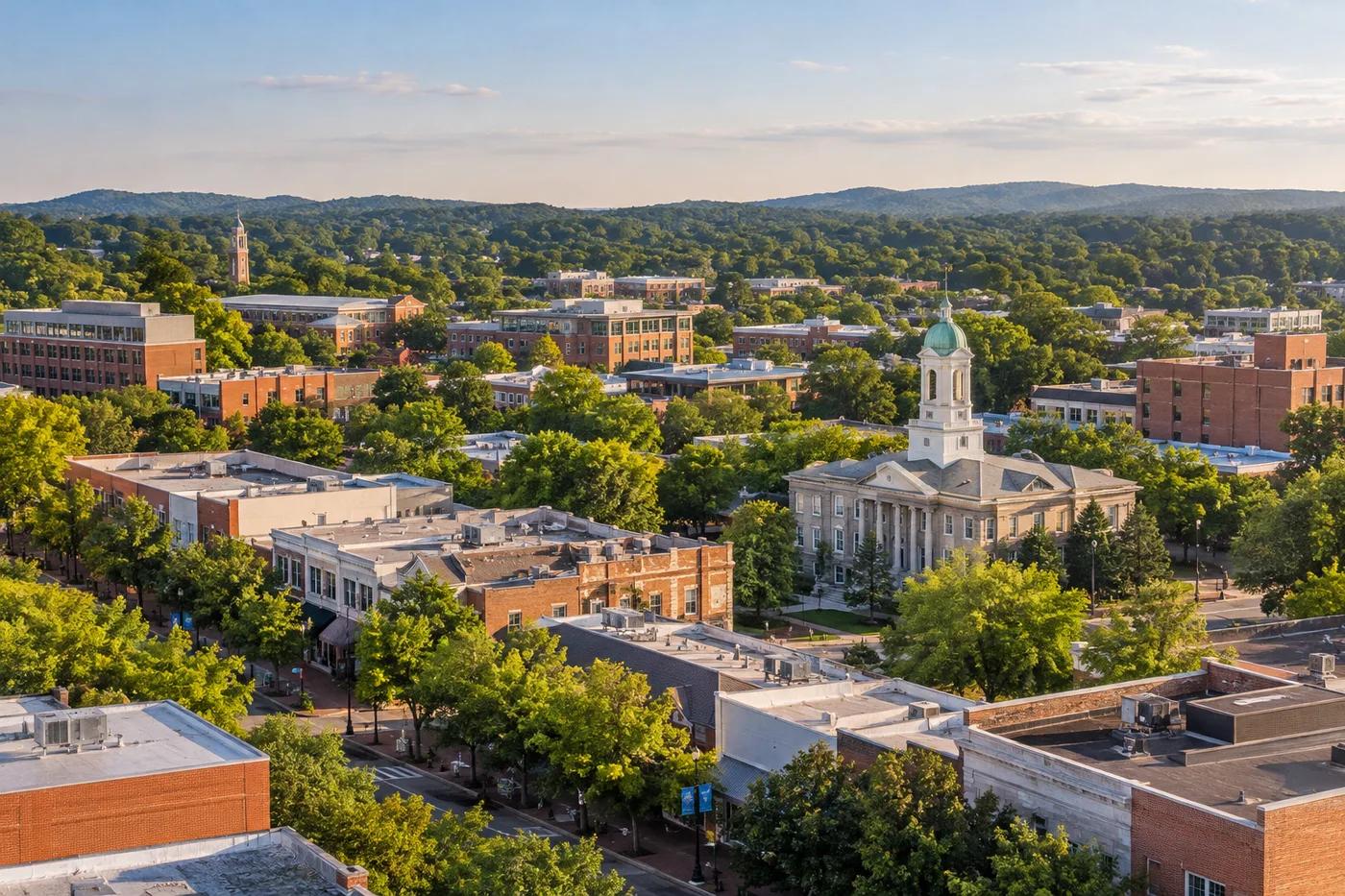
Humid Subtropical · suburban setting
Read the local guide →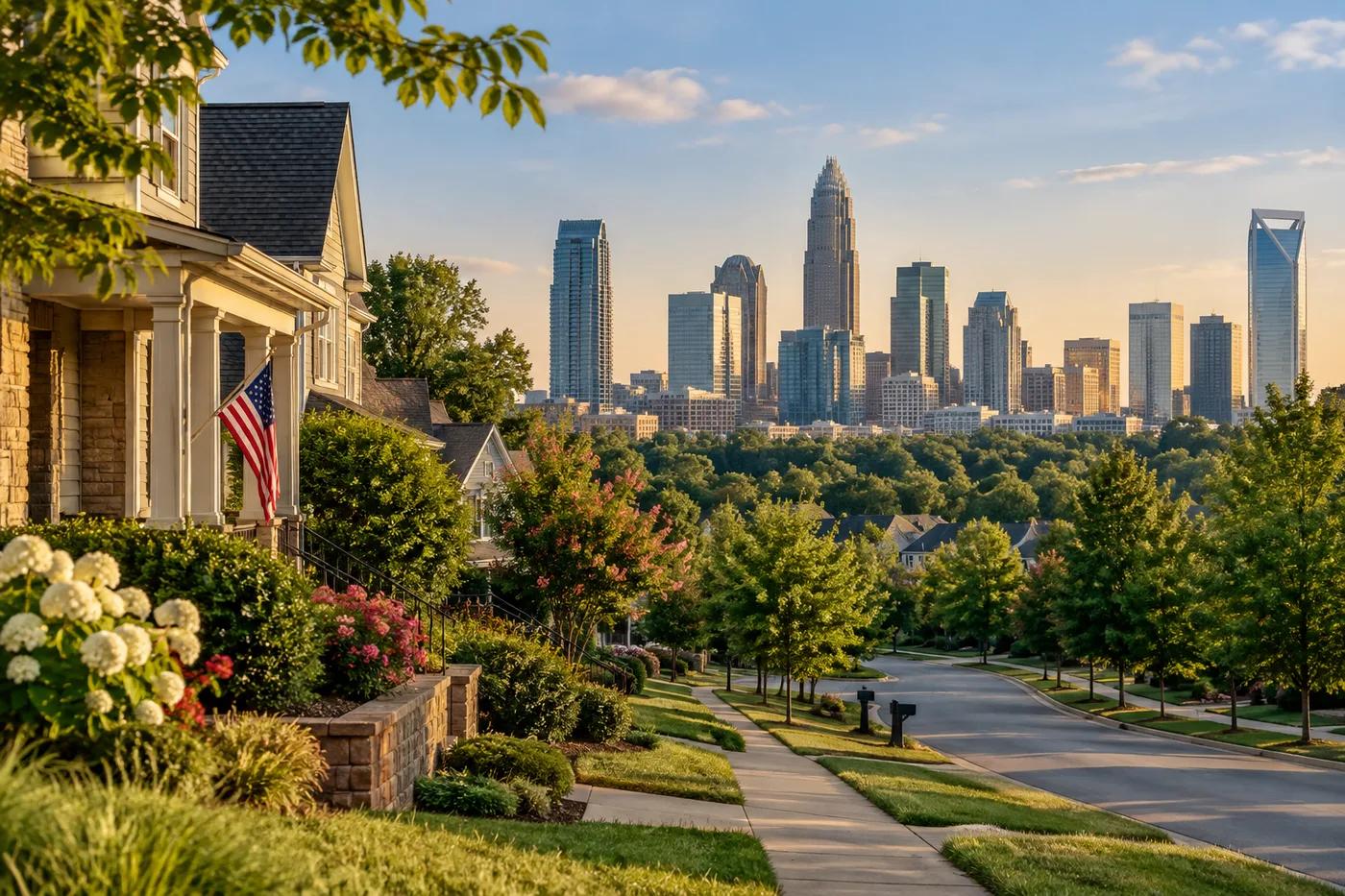
Humid Subtropical · urban setting
Read the local guide →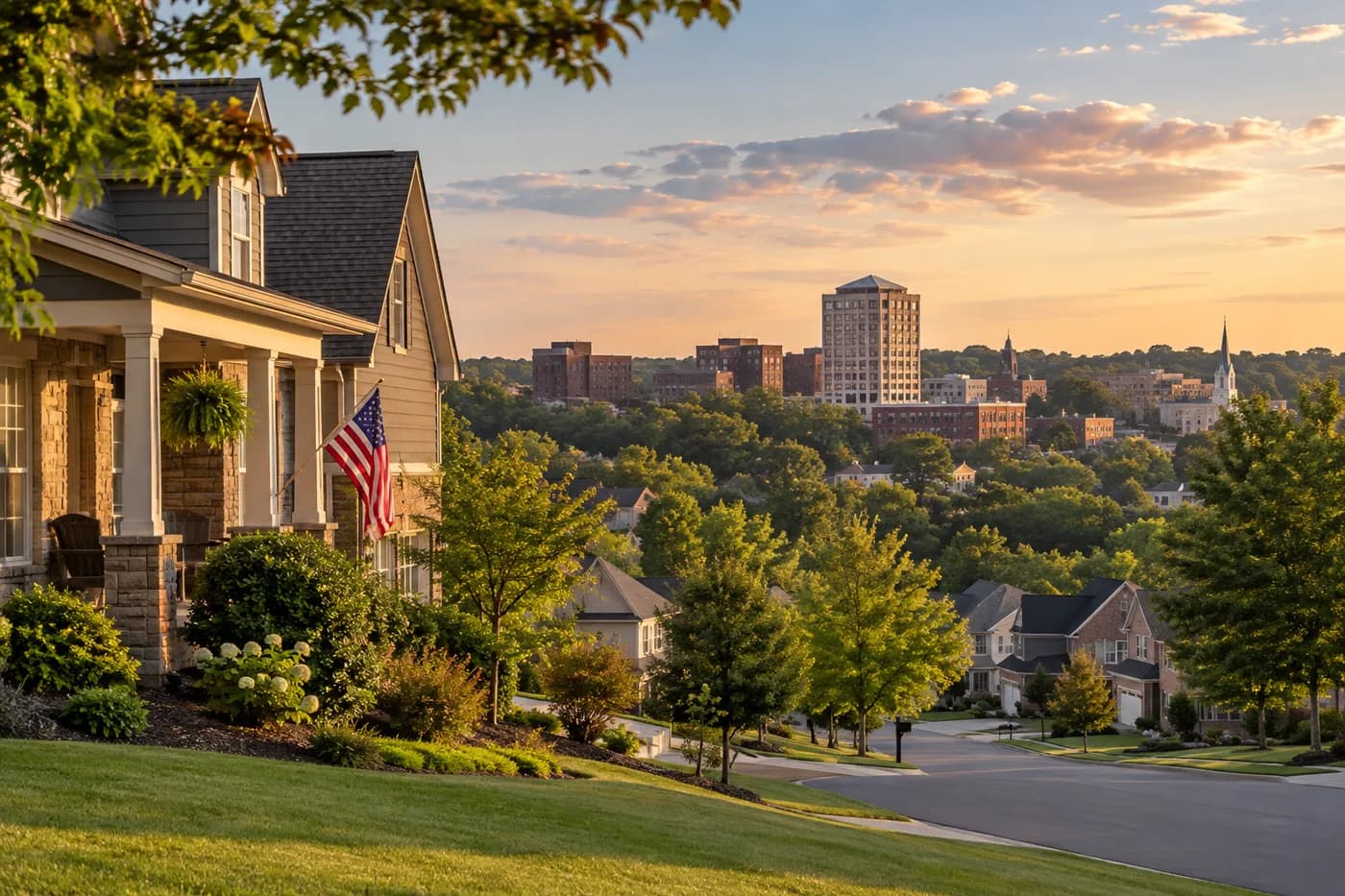
Humid Subtropical · suburban setting
Read the local guide →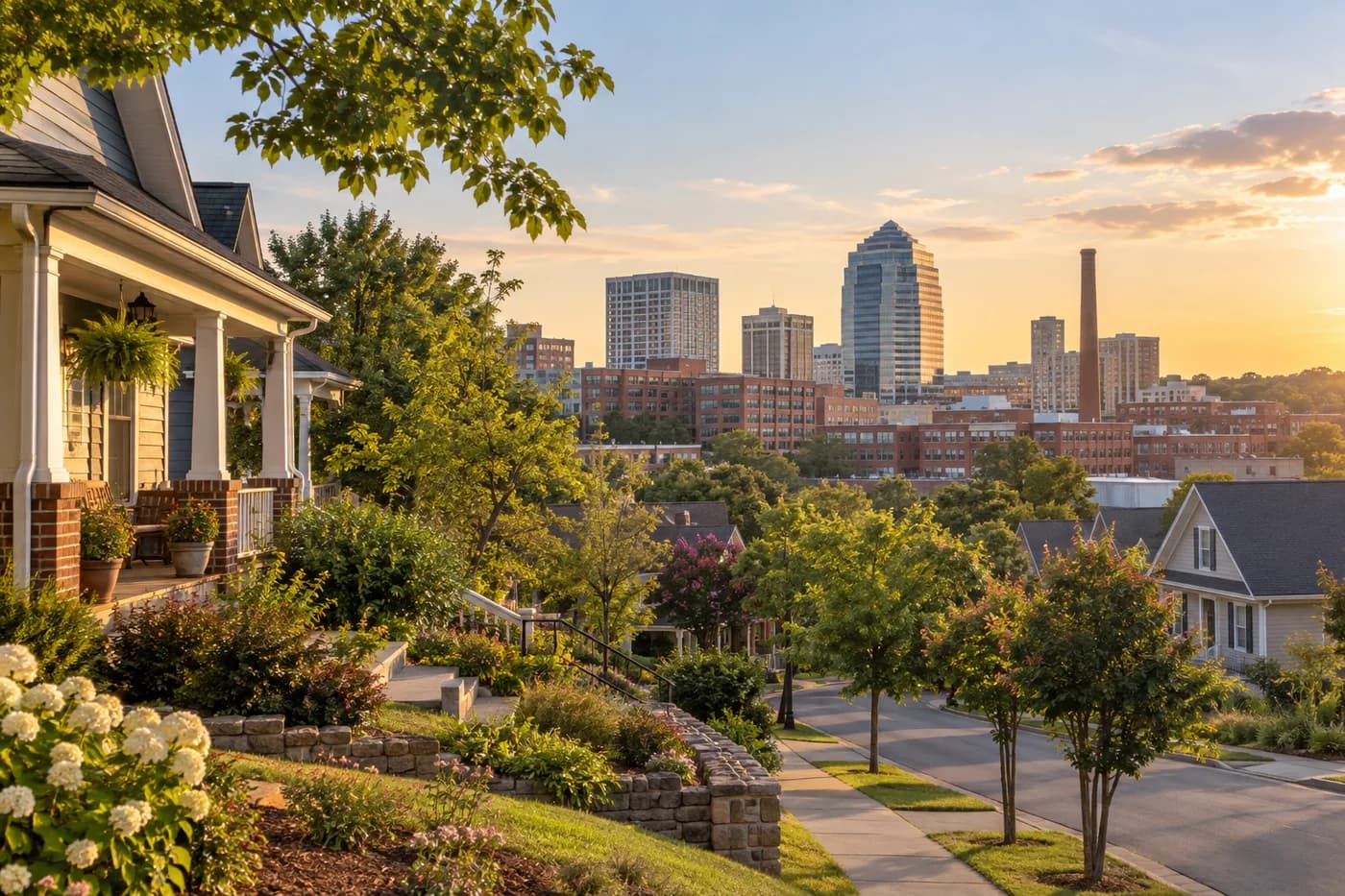
Humid Subtropical · urban setting
Read the local guide →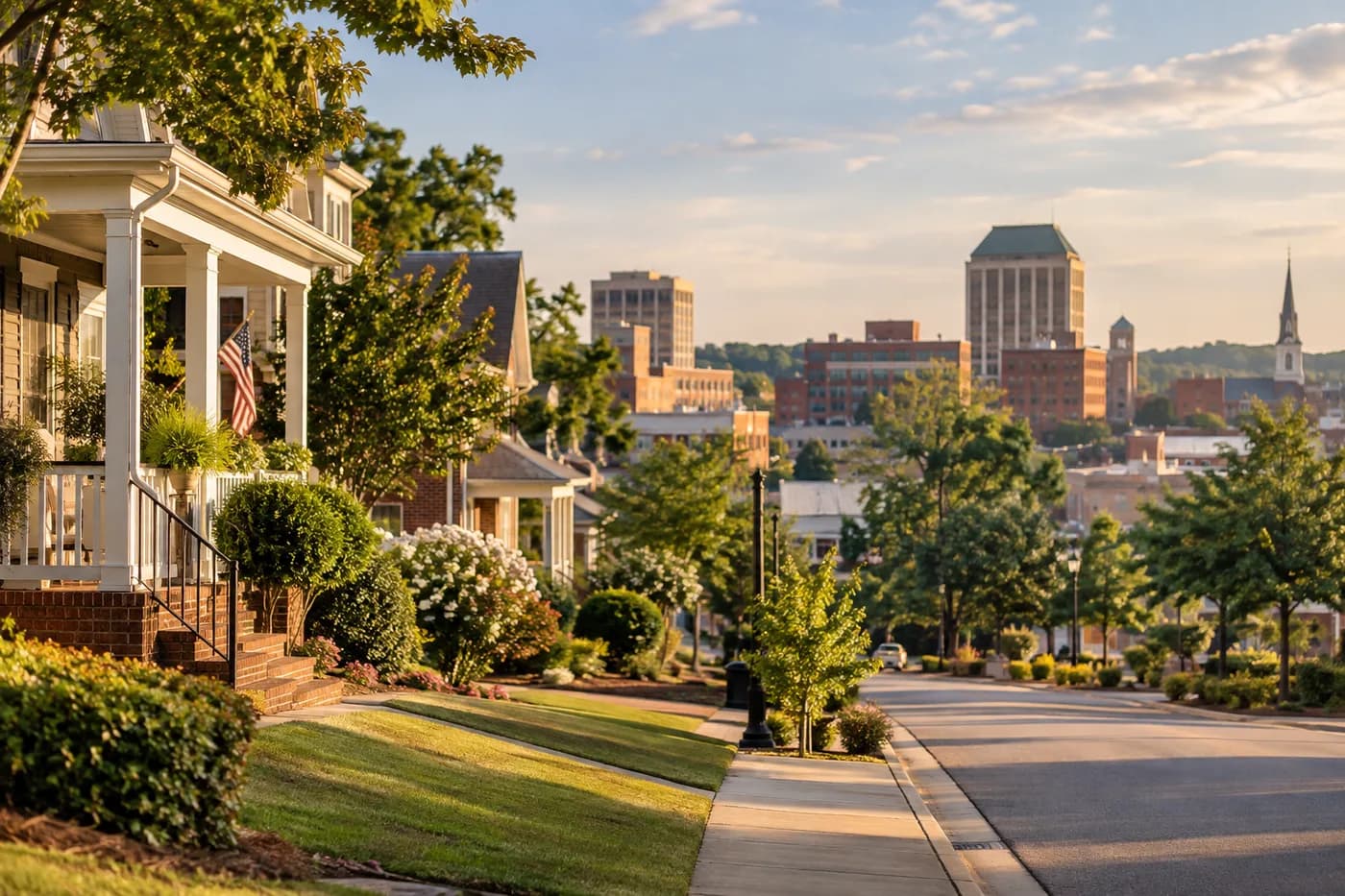
Humid Subtropical · urban setting
Read the local guide →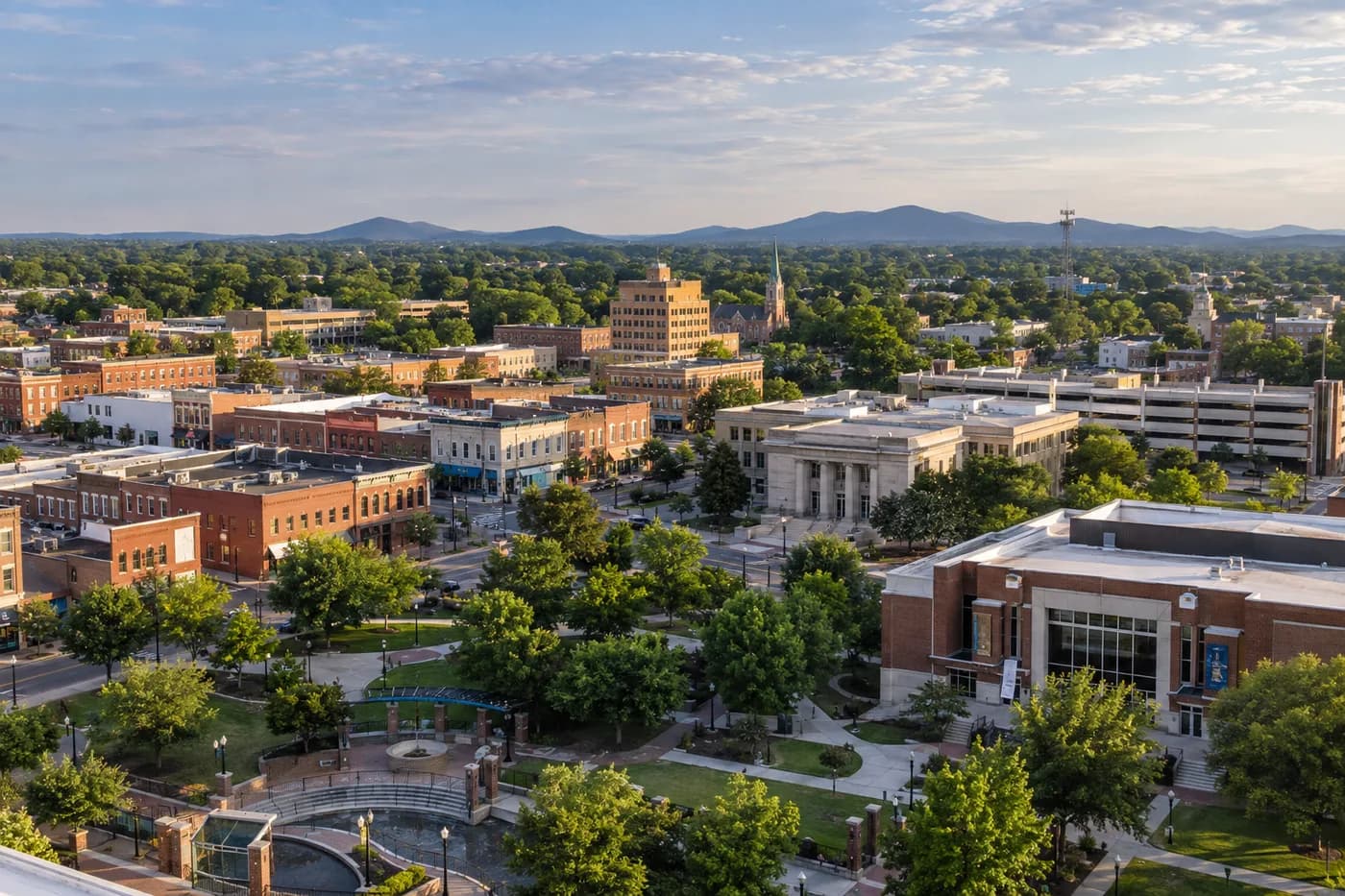
Humid Subtropical · suburban setting
Read the local guide →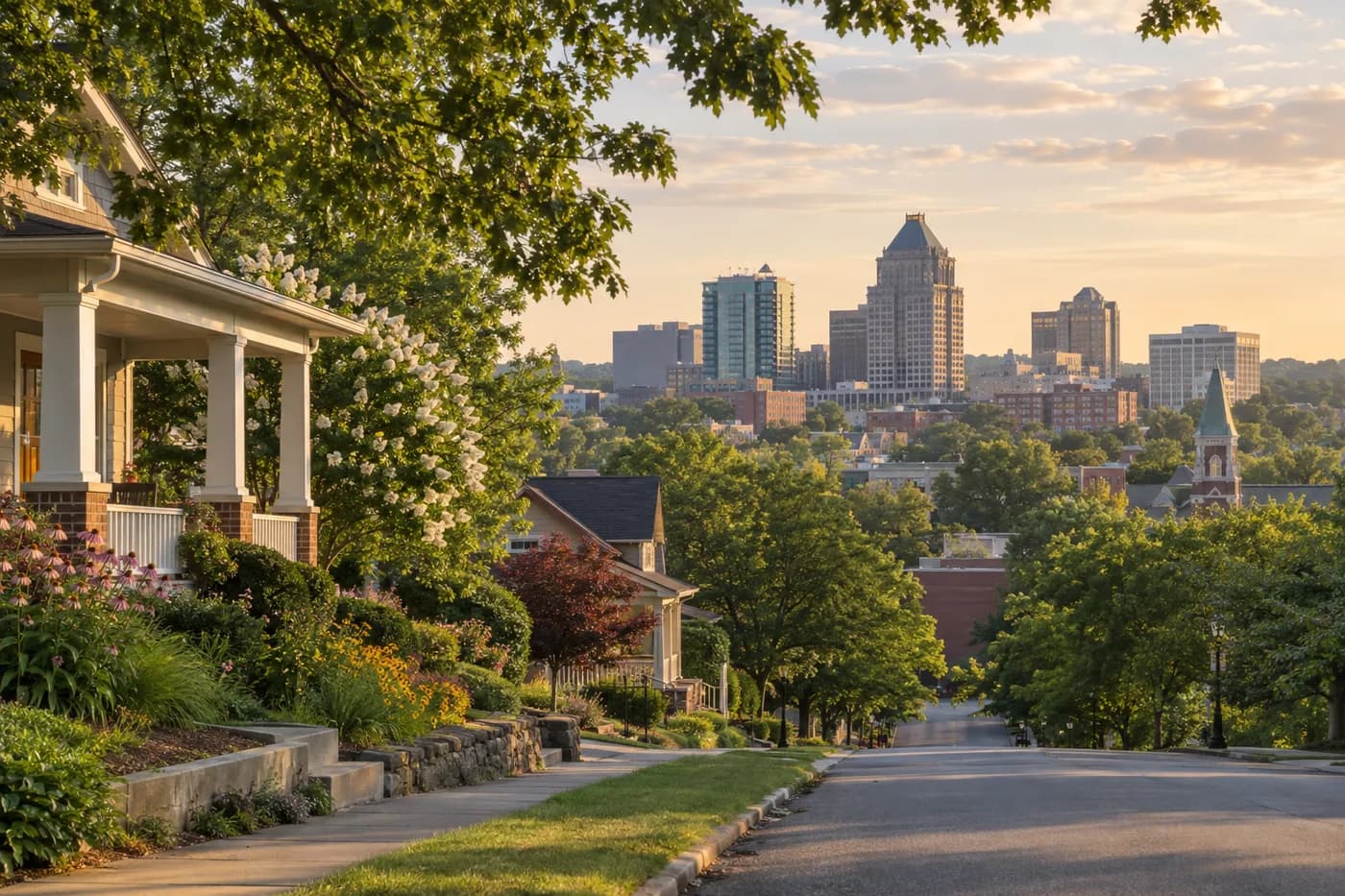
Humid Subtropical · urban setting
Read the local guide →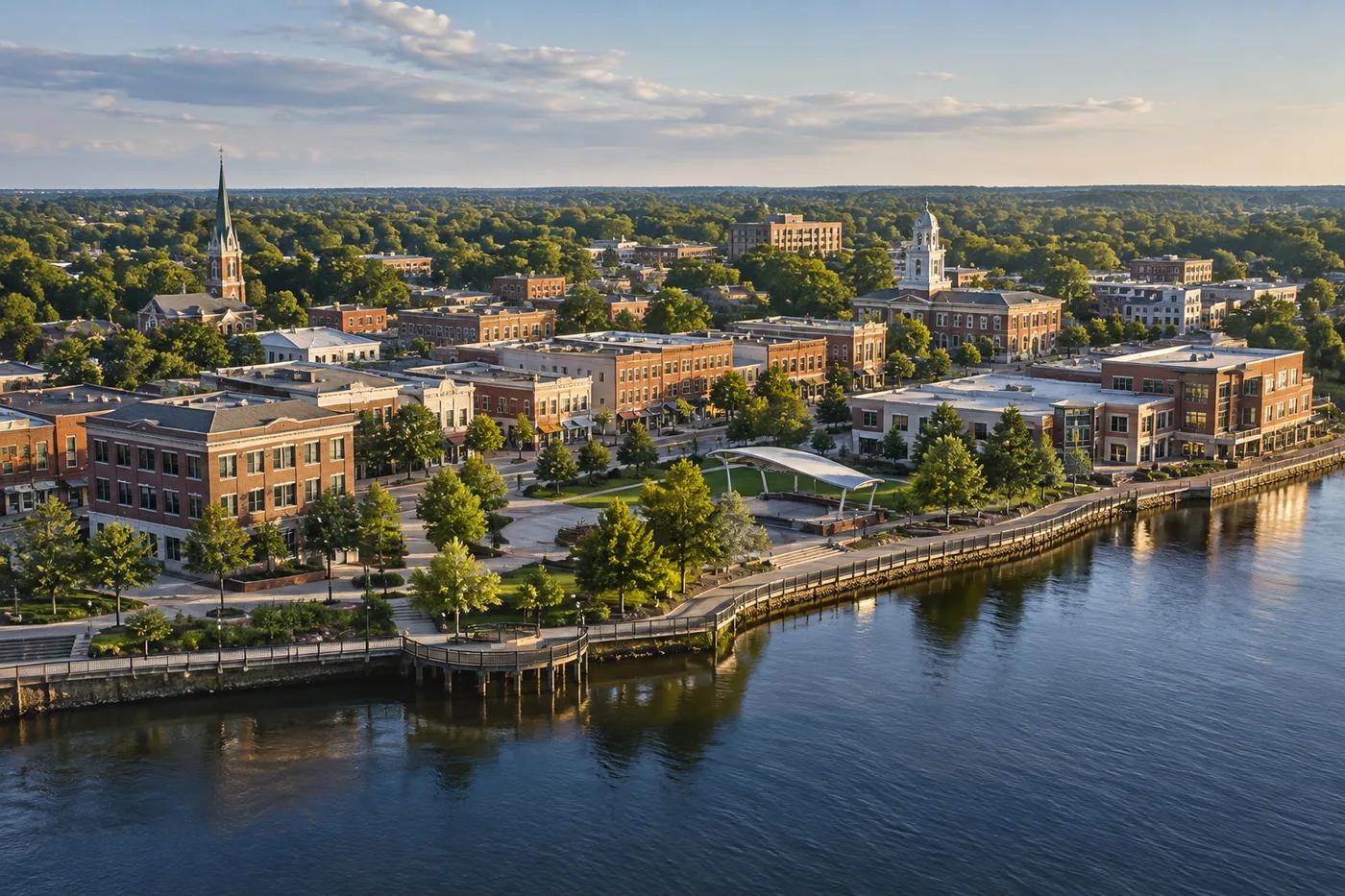
Humid Subtropical · suburban setting
Read the local guide →
Humid Subtropical · suburban setting
Read the local guide →
Humid Subtropical · suburban setting
Read the local guide →
Humid Subtropical · suburban setting
Read the local guide →
Humid Subtropical · suburban setting
Read the local guide →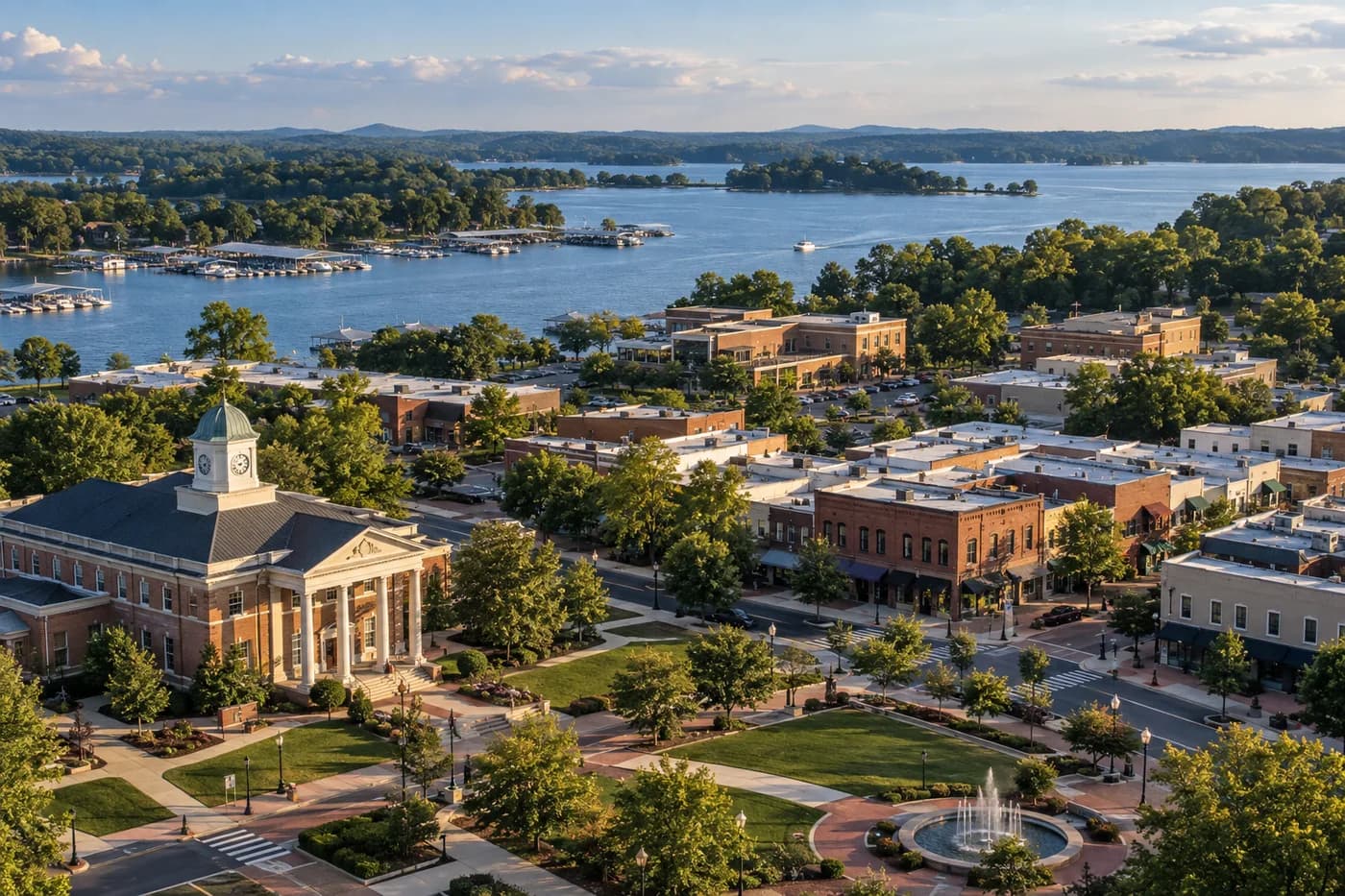
Humid Subtropical · suburban setting
Read the local guide →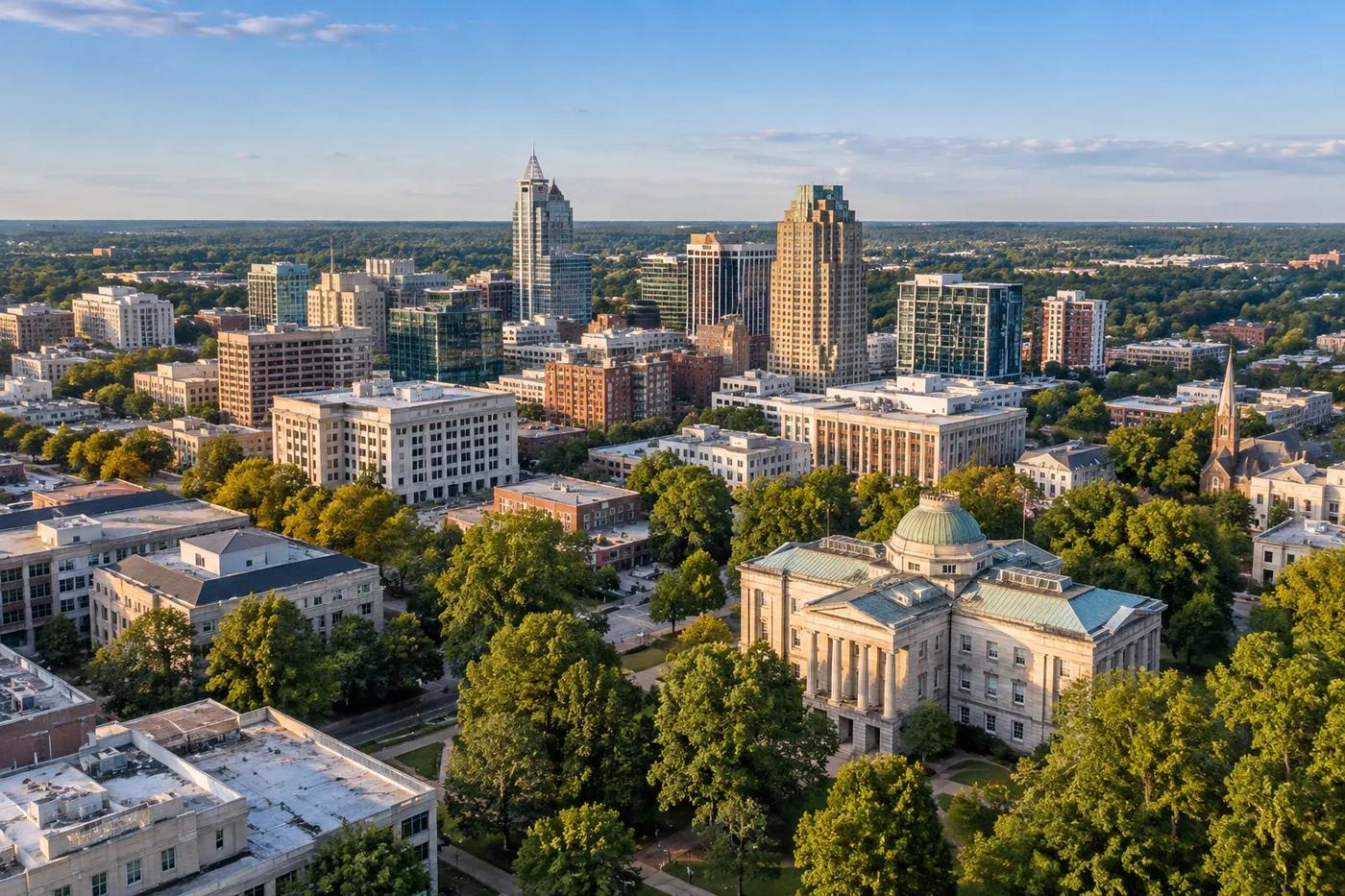
Humid Subtropical · urban setting
Read the local guide →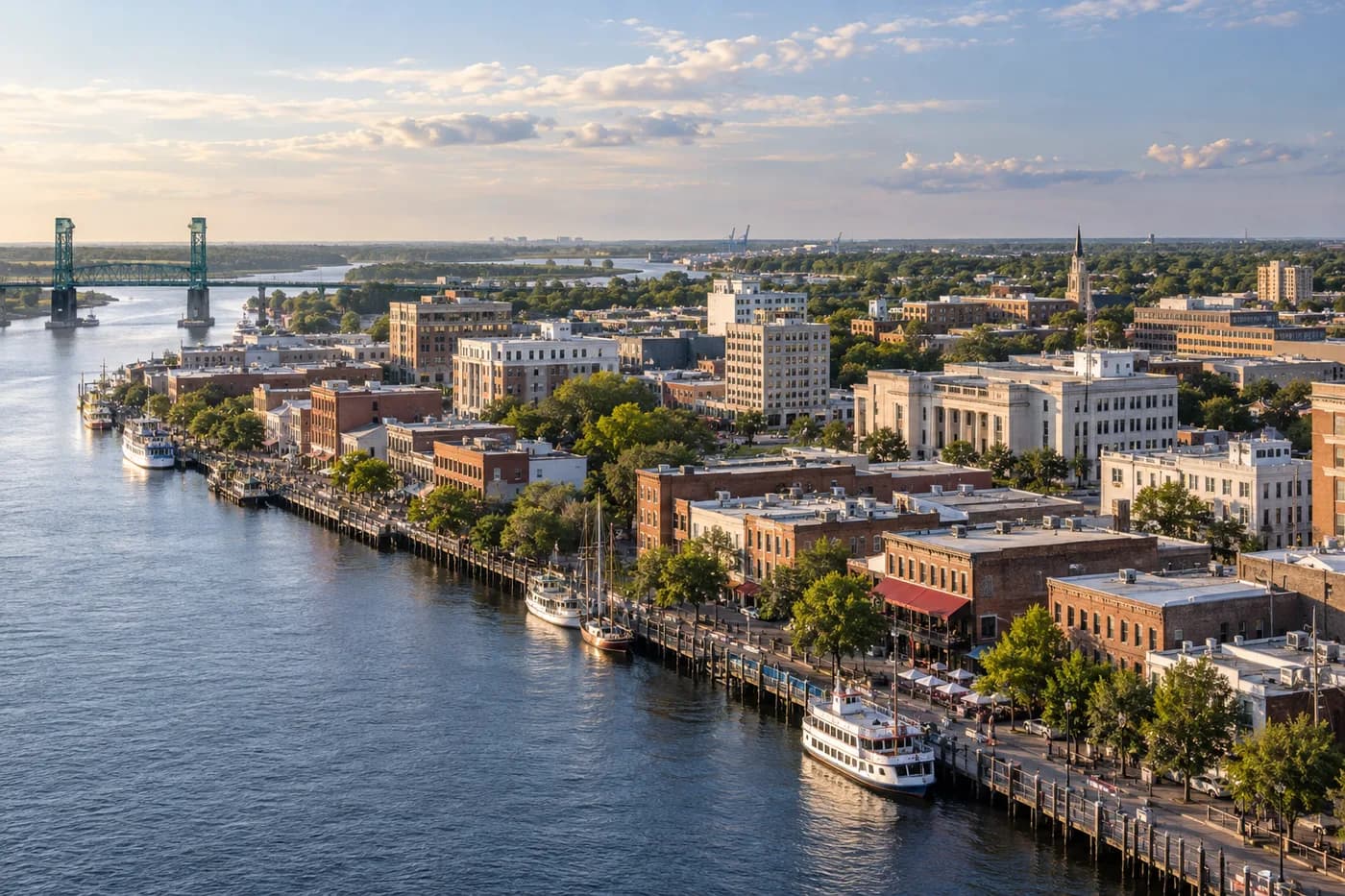
Humid Subtropical · urban setting
Read the local guide →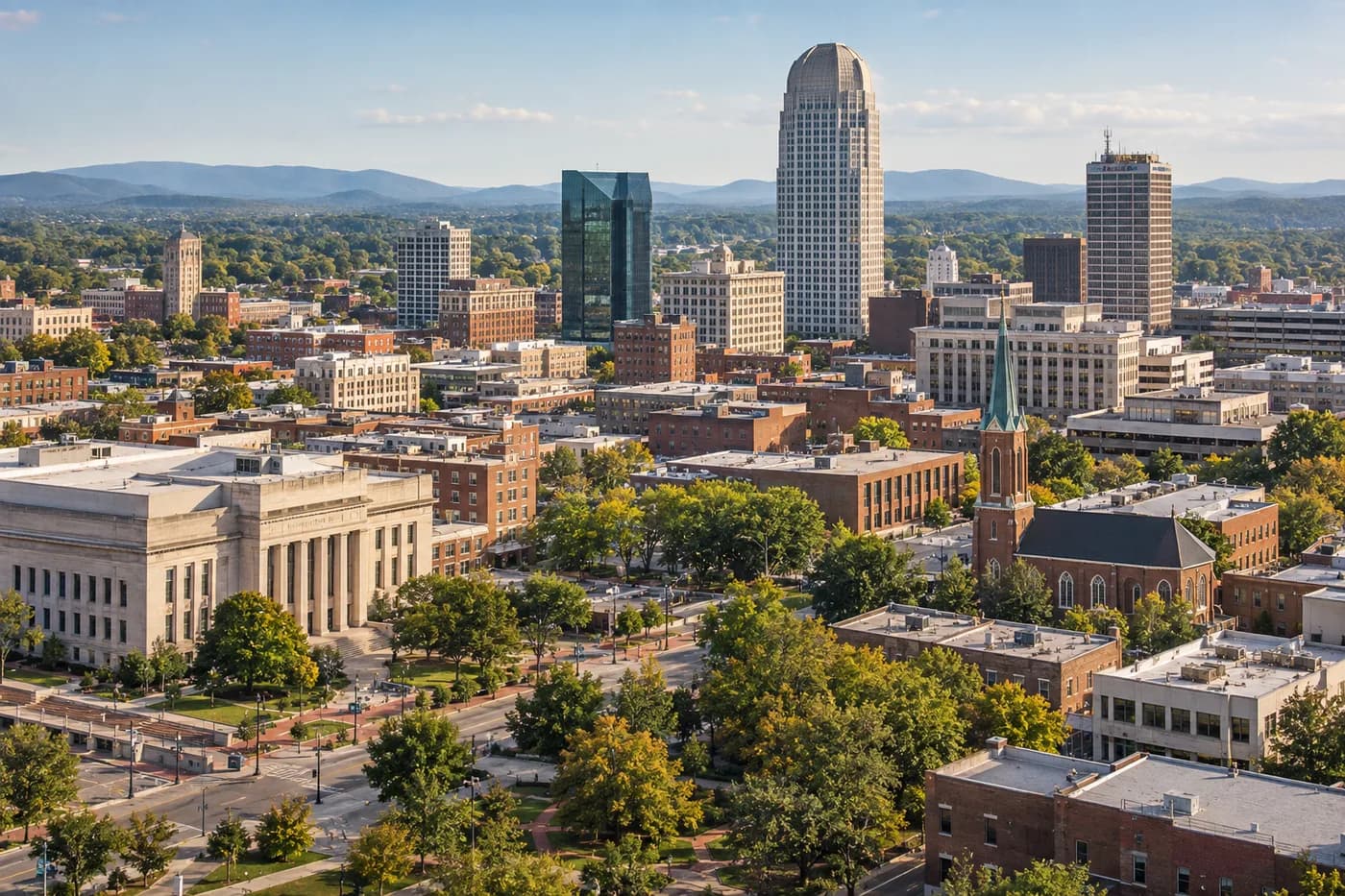
Humid Subtropical · urban setting
Read the local guide →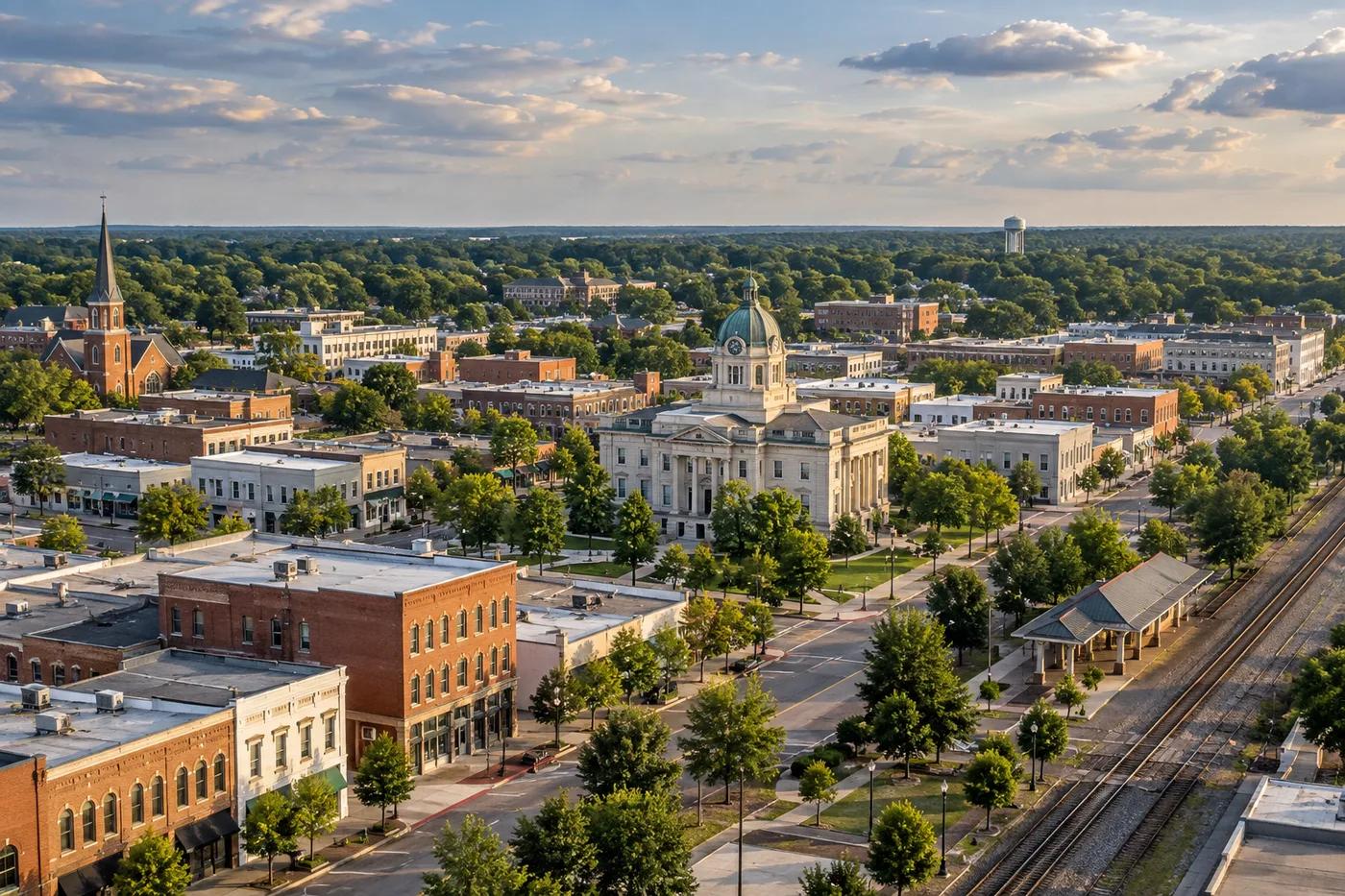
Humid Subtropical · rural setting
Read the local guide →