Termite control options
Find the right help for your termite problem.
Different termite problems call for different conversations. Learn what each service involves and ask about your property.
Ask a question or get a quote ↗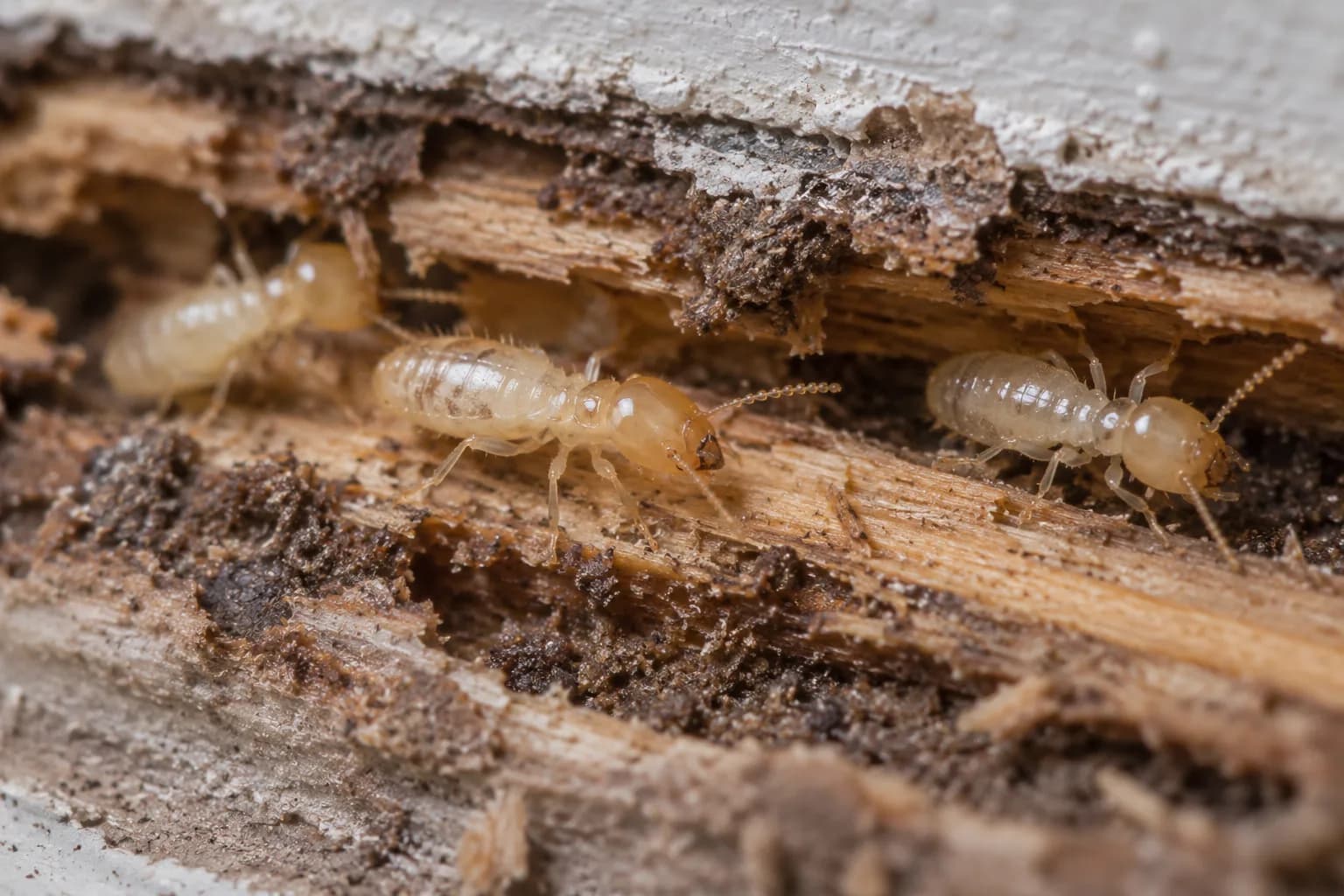 01
Termite Inspection
An inspector checks the foundation, crawl space, attic and plumbing walls, then gives you a report with a diagram. Often requested when a home is sold, and a smart yearly habit.
Explore this service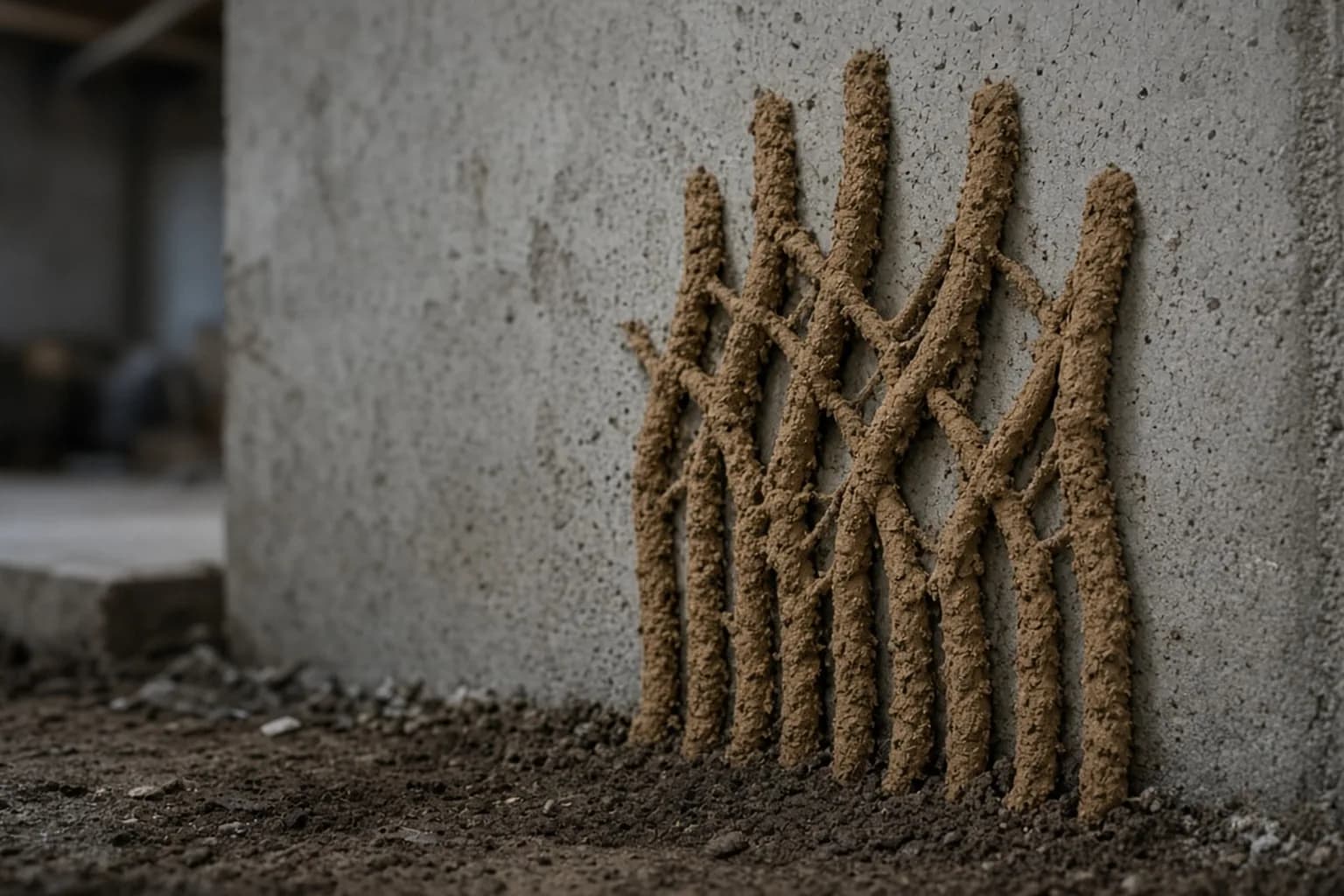 02
Liquid Soil Treatment
Termiticide goes into a trench along the foundation and under slabs, so termites cross it on the way to the house. Widely published figures put it at five years or more.
Explore this service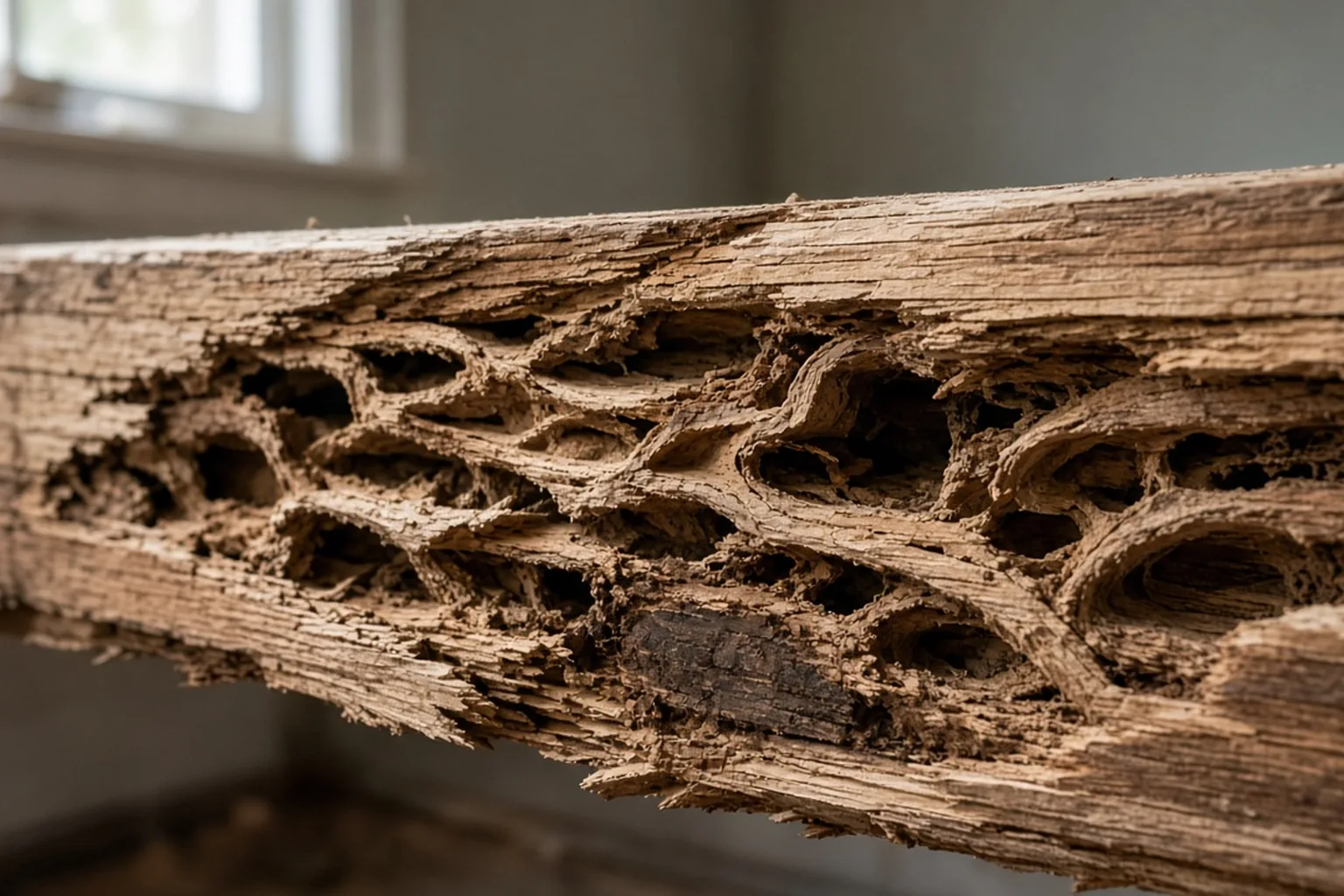 03
Bait Station Systems
Stations around the yard let foraging termites carry slow-acting bait back to the colony. Less digging and drilling, with scheduled visits that keep watch for new activity.
Explore this service 04
Fumigation and Spot Treatment
For drywood termites living inside the wood itself: whole-house tenting when they're spread out, or targeted foam, heat or wood treatment when the damage is in one spot.
Explore this serviceWhat to look for
Mud tubes on the foundation
Pencil-width tunnels of packed soil running up a foundation wall, pier or garage slab. Break a small section and check back in a few days; a rebuilt tube means an active colony.
Wings on the windowsill
Swarmers shed their wings after a spring flight. A pile of equal-length wings by a window or door, or winged insects indoors, means a colony is close by or inside.
Wood that sounds hollow
Baseboards, door frames or floors that give under a screwdriver, blistered paint with no leak above it, or tiny pellets below a hole in trim all point to termites eating from the inside.
Frequently asked questions
How do I know it's termites and not ants?
What does a termite inspection cost?
How much does termite treatment cost?
Does homeowners insurance cover termite damage?
Can I treat termites myself?
What should a termite quote include?
Ready to talk to a provider?
Describe what you've noticed and ask about an inspection or a quote.
Ask a question or get a quote