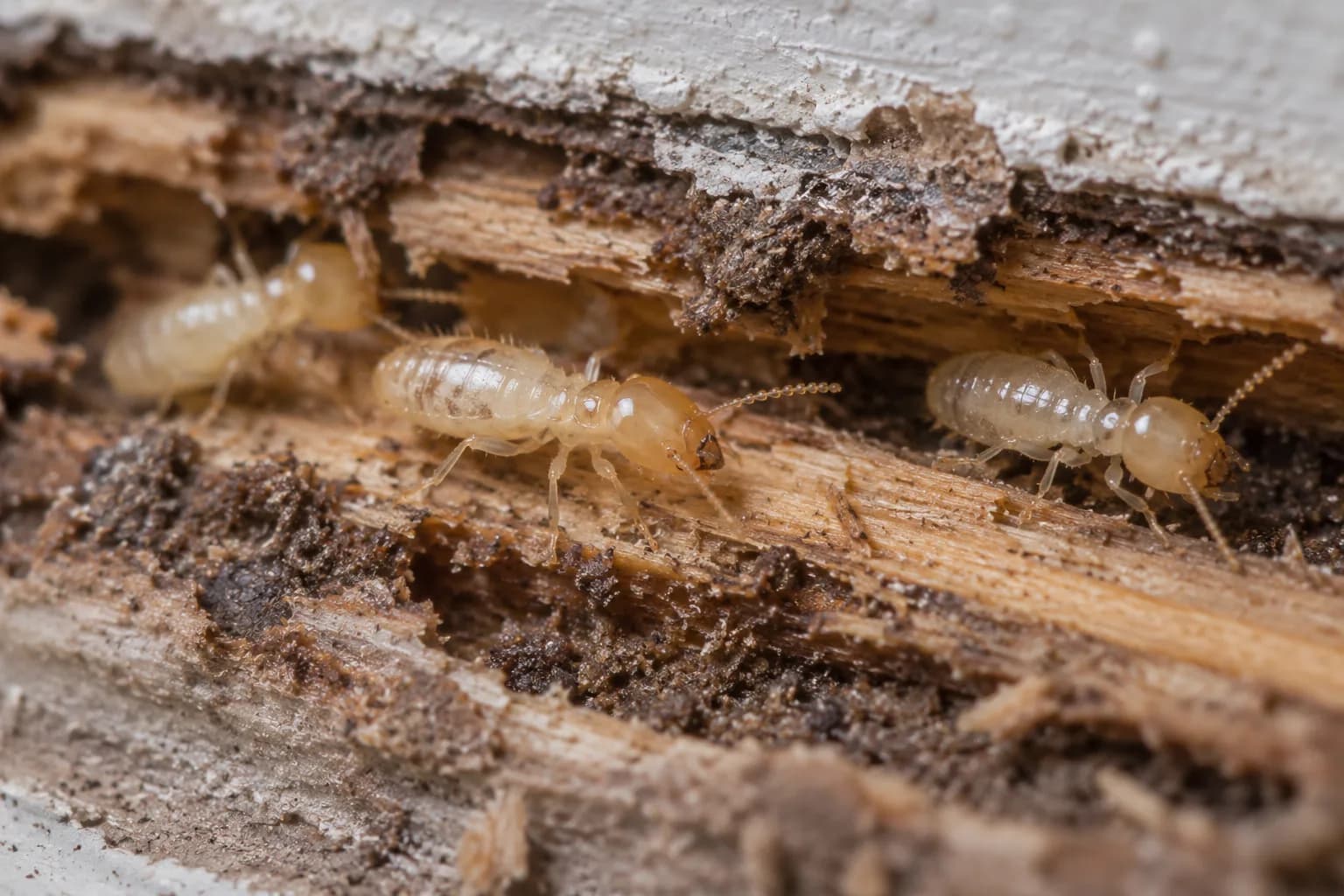
A closer look

Termite Inspection

An inspector checks the foundation, crawl space, attic and plumbing walls, then gives you a report with a diagram. Often requested when a home is sold, and a smart yearly habit.

Ask a question or get a quote ↗
Termite Inspection

Where to start

Tell the company where you've noticed termites, how long it has been happening, and anything you've already tried. Photos and a short timeline give the inspector a useful starting point.

What to discuss during the inspection

Ask which areas need checking, what was found, and which treatment options fit. Have the inspector explain how to prepare and what follow-up may be needed.

What affects the quote

Access to the affected areas, how far the problem has spread, and the number of visits all affect the work involved. Ask what is included so you can compare the options.

Questions to ask before you book

How do you confirm it's termites?

Ask what the provider saw and how that diagnosis was reached before any work is authorized.

What will you do, and why?

Have the provider explain each step, the products used, and why that approach fits this property.

What preparation do I need?

Clear access to the affected areas and follow any written preparation and re-entry instructions.

What does the price include?

Confirm inspection fees, the number of visits, and any follow-up or warranty terms in writing.

What to look for

Mud tubes on the foundation

Pencil-width tunnels of packed soil running up a foundation wall, pier or garage slab. Break a small section and check back in a few days; a rebuilt tube means an active colony.

Wings on the windowsill

Swarmers shed their wings after a spring flight. A pile of equal-length wings by a window or door, or winged insects indoors, means a colony is close by or inside.

Wood that sounds hollow

Baseboards, door frames or floors that give under a screwdriver, blistered paint with no leak above it, or tiny pellets below a hole in trim all point to termites eating from the inside.

When it happens through the year

spring

Swarm season: winged termites fly on warm days after rain, and this is when most people first find out they have a problem.

summer

Colonies feed hardest in the heat, foraging in damp soil under slabs and along foundations even when nothing shows above ground.

fall

Activity slows above ground but doesn't stop, so fall is a comfortable time to get a non-urgent inspection on the calendar.

winter

Subterranean termites move deeper into the soil and heated crawl spaces, so an indoor swarm or fresh mud tube in winter deserves a prompt look.

Frequently asked questions

How do I know it's termites and not ants?
Look at the waist and wings. A termite swarmer has a straight, thick body and four wings all the same length. A flying ant has a pinched waist and front wings longer than the back pair. Termites also leave mud tubes; ants don't.
What does a termite inspection cost?
Published ranges run about $75 to $250. It's worth asking whether the fee is credited toward treatment if you go ahead. An inspection for a home sale is usually priced about the same.
How much does termite treatment cost?
For a typical house, published ranges put a liquid soil treatment at roughly $1,200 to $3,500 and a bait system at roughly $1,200 to $4,000, often with a yearly monitoring fee. Fumigation for drywood termites usually runs higher. Your quote depends on house size, construction and which termite you have.
Does homeowners insurance cover termite damage?
Almost never. Insurers treat termite damage as a maintenance issue, so treatment and repairs come out of pocket. A repair warranty from a termite company is the closest thing to coverage.
Can I treat termites myself?
You can fix what attracts them: wet soil, mulch against the siding, wood touching the ground. The treatment itself usually means trenching, drilling under slabs and careful product handling, so it's a job most people leave to a licensed pro.
What should a termite quote include?
The termite species, where evidence was found, which areas get treated, the product or system, how many visits, the price, what's excluded and what the warranty covers and costs to renew. If two quotes differ a lot, the scope is usually why.

Related services

Ready to talk to a provider?

Describe what you've noticed and ask about an inspection or a quote.

Ask a question or get a quote

Ready to Get Rid of Termites?

Tell us what you’ve noticed and where you need help. Ask about an inspection or a quote.

Or call +1 888 546 7983 to talk about your pest problem.