Around South Carolina
Conditions vary across the state. Choose your city below, then describe what’s happening around your home or business.
Local termite information
Learn what to look for around your property, explore your city, and ask about an inspection or a quote.
Conditions vary across the state. Choose your city below, then describe what’s happening around your home or business.
Where you see termites, how long it has been going on, and anything you’ve already tried are the most useful details to mention.
Ask about an inspection, what treatment would involve, and whether follow-up visits are included. You don’t need to identify the problem yourself before getting in touch.
Before you compare quotes, it helps to know which termites actually live in South Carolina, when they are busiest, and what the state figures look like. Everything below links to the agency or university page it came from.
Four drywood and four subterranean species mean coastal SC homes can face both soil-borne and wood-borne infestations.
Clemson Home & Garden Information CenterFormosan termites have spread well inland from Charleston, into the Midlands and Upstate.
Clemson Home & Garden Information CenterNative subterranean species swarm in early spring, often in the afternoon; Formosan swarms mid-May to July, often in the evening, attracted to lights (Clemson).
Clemson: Formosan termites established in Aiken, Bamberg, Beaufort, Berkeley, Charleston, Colleton, Dorchester, Georgetown, Horry, Jasper, Lexington, Orangeburg, Pickens, Richland, Sumter, and York counties; Formosan colonies 'may have a million or more' workers vs. about 100,000 for natives. Eastern drywood termites found in six coastal counties; powderpost (West Indian) drywood termite in seven counties.
Sources: Clemson Home & Garden Information Center; Biology of Subterranean Termites in the Eastern United States (B1209); University of Missouri Extension; Formosan Termite Program; Termite Species Distribution in Florida and UF Termite Identification Services (IN1360); Drywood Termites (Pest Notes). Figures are quoted as the source prints them. How we check our sources
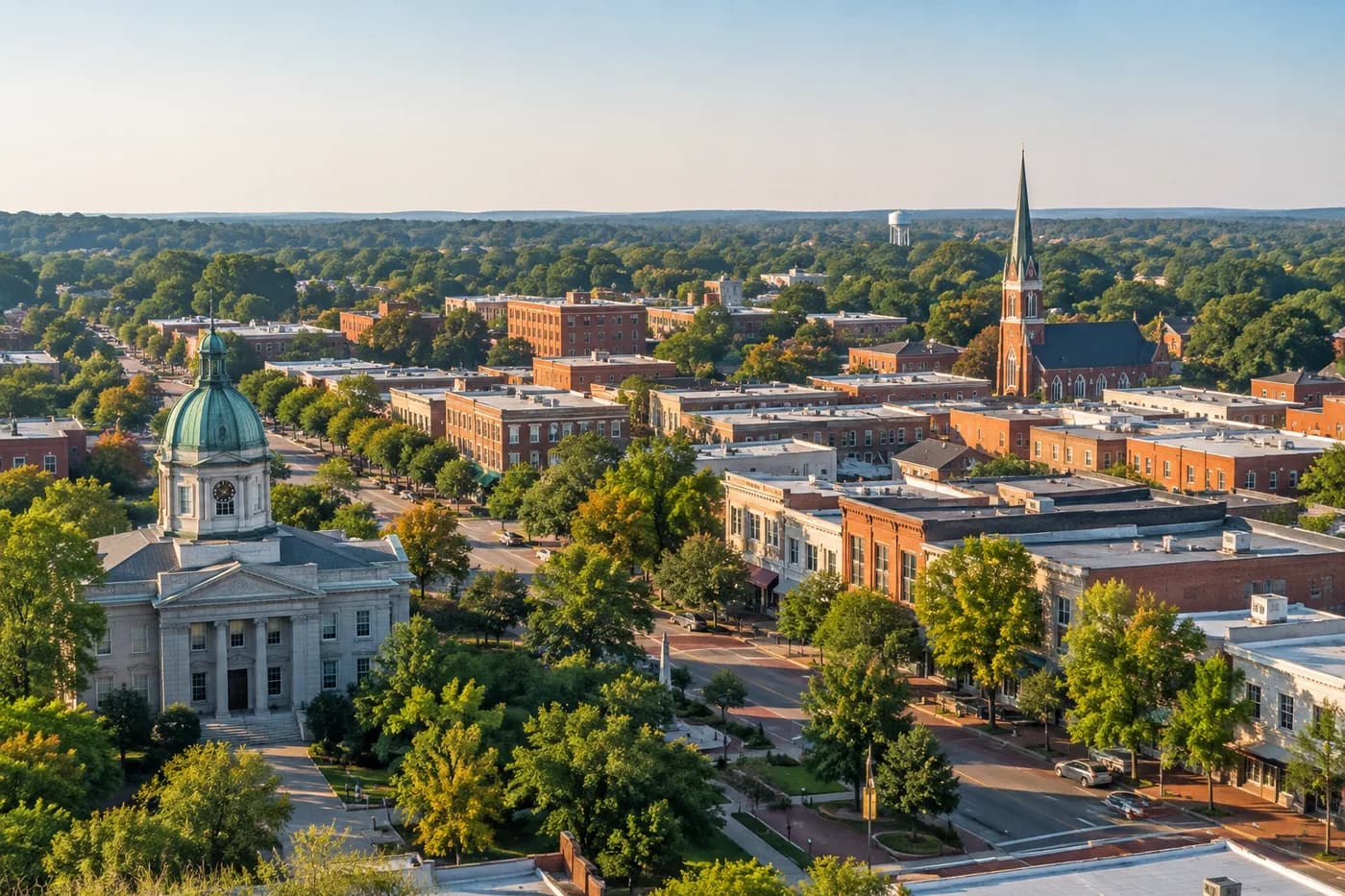
Humid Subtropical · rural setting
Read the local guide →
Humid Subtropical · suburban setting
Read the local guide →
Humid Subtropical · urban setting
Read the local guide →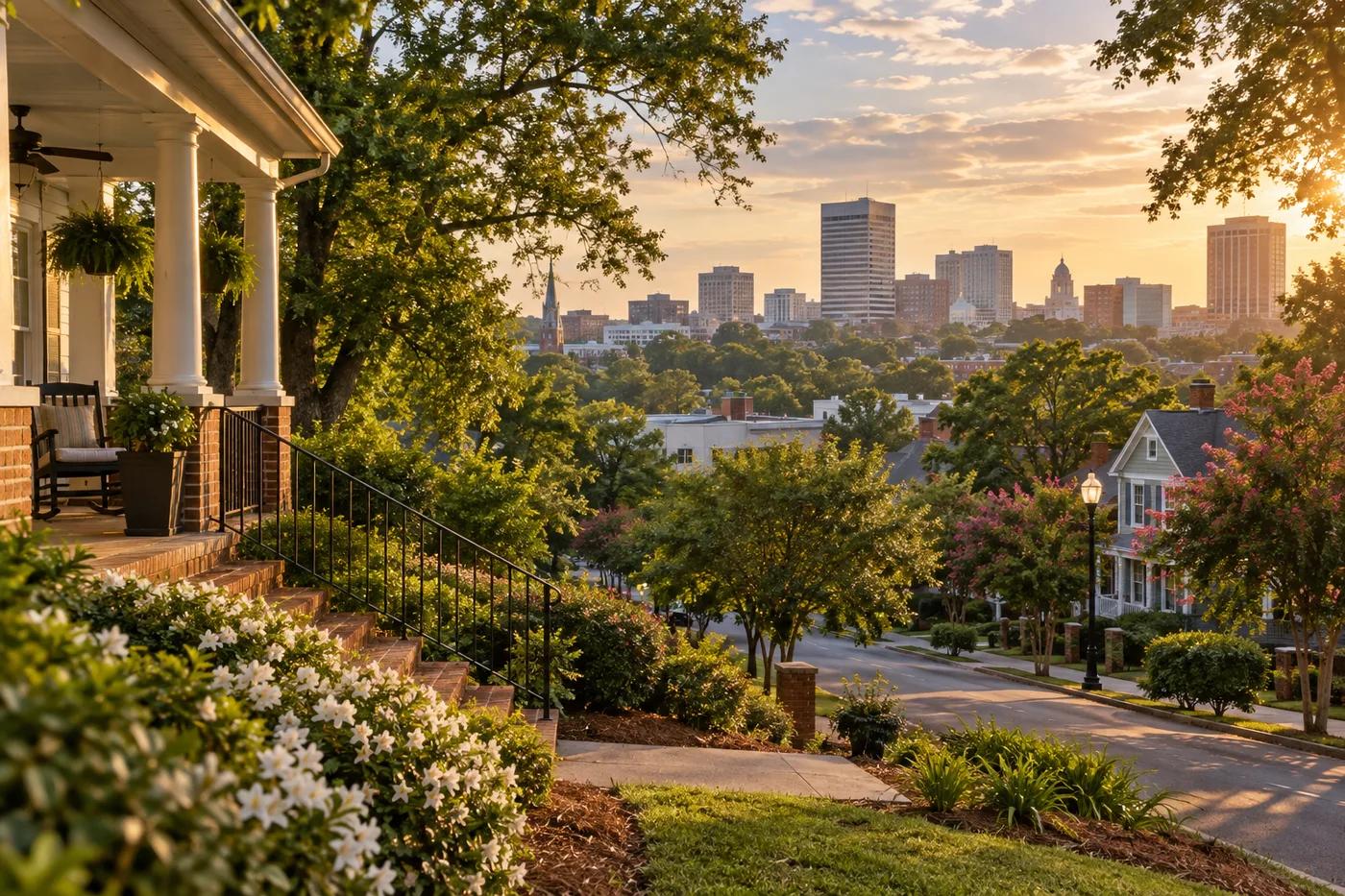
Humid Subtropical · urban setting
Read the local guide →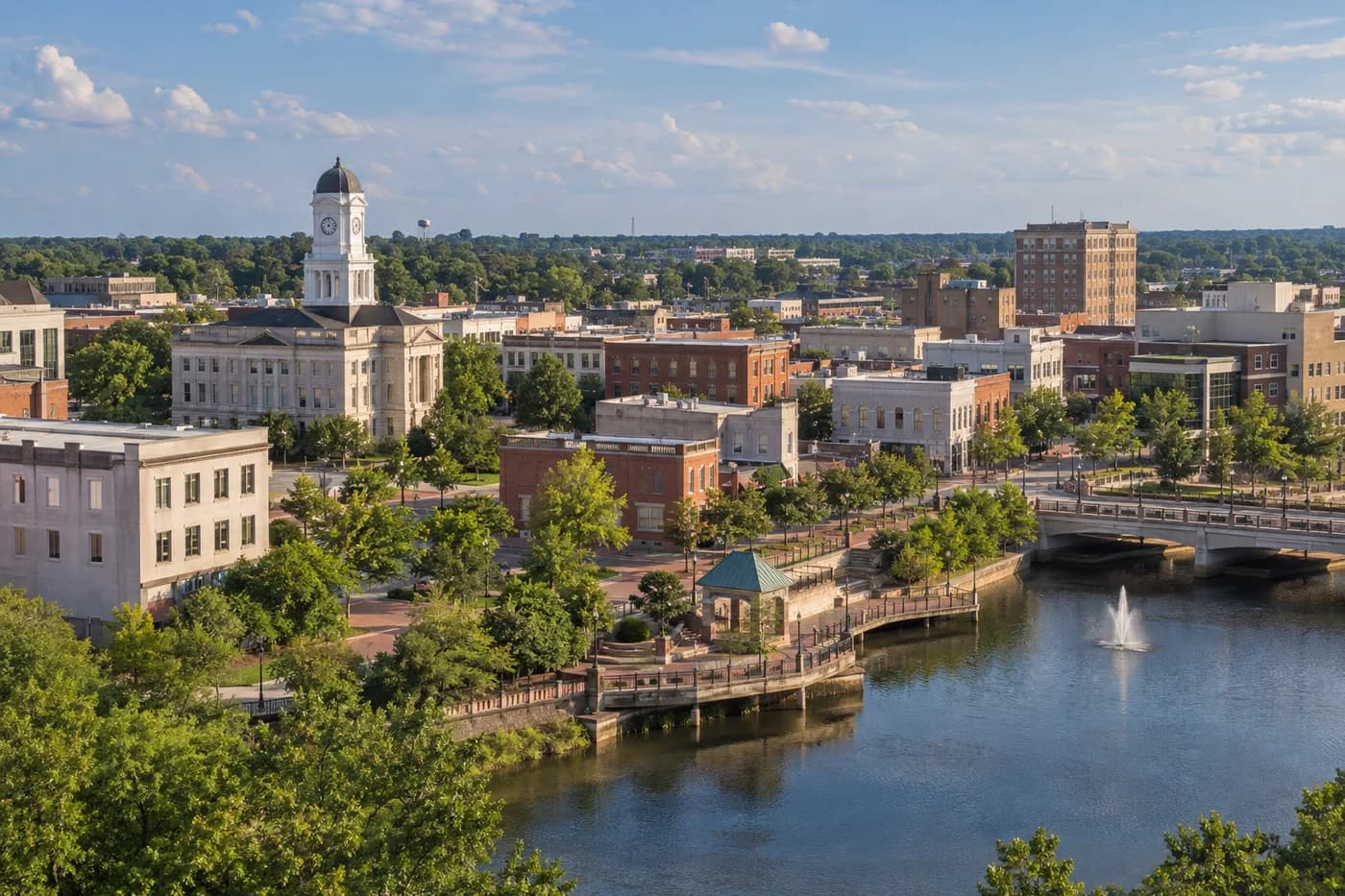
Humid Subtropical · suburban setting
Read the local guide →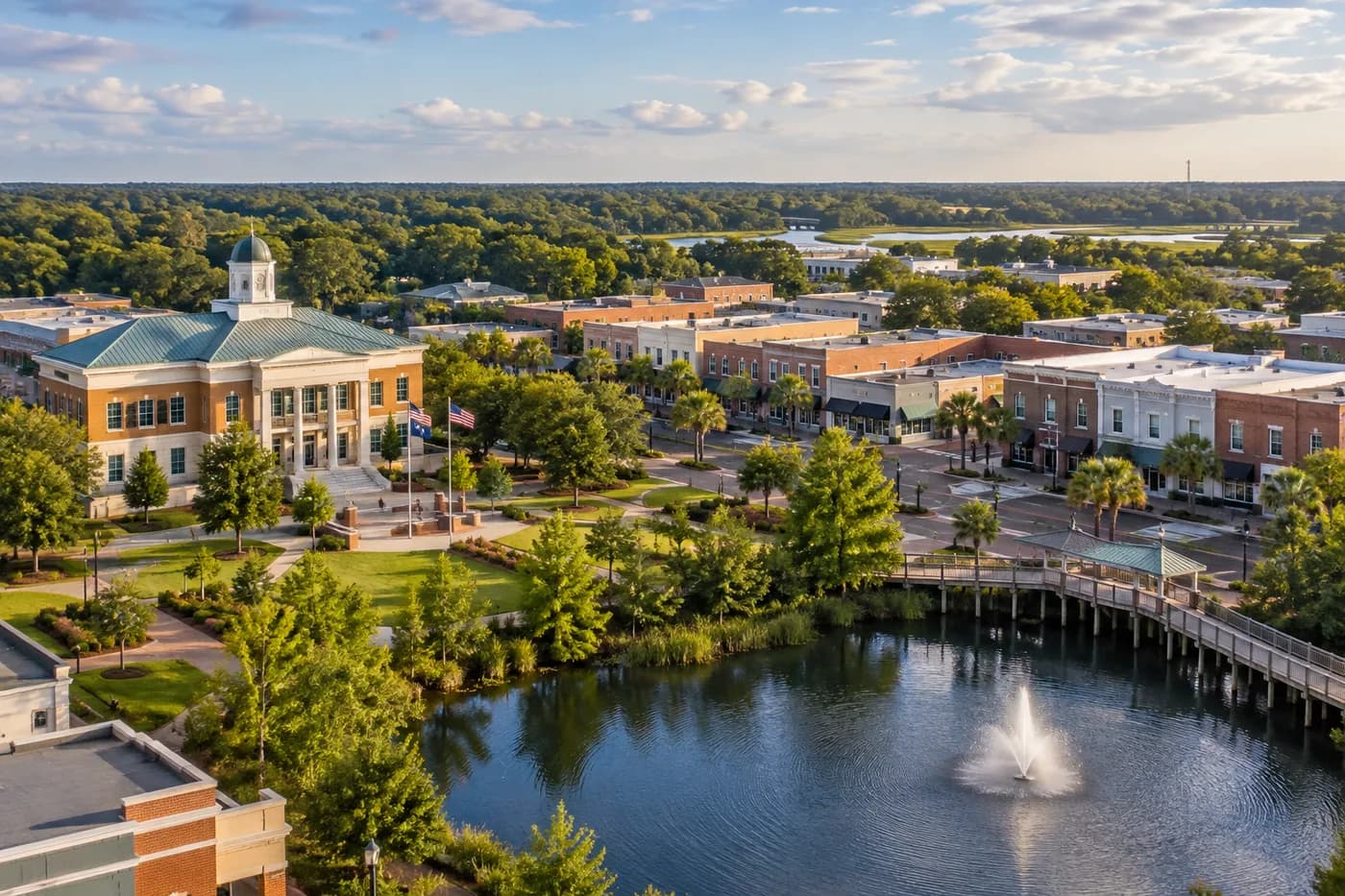
Humid Subtropical · suburban setting
Read the local guide →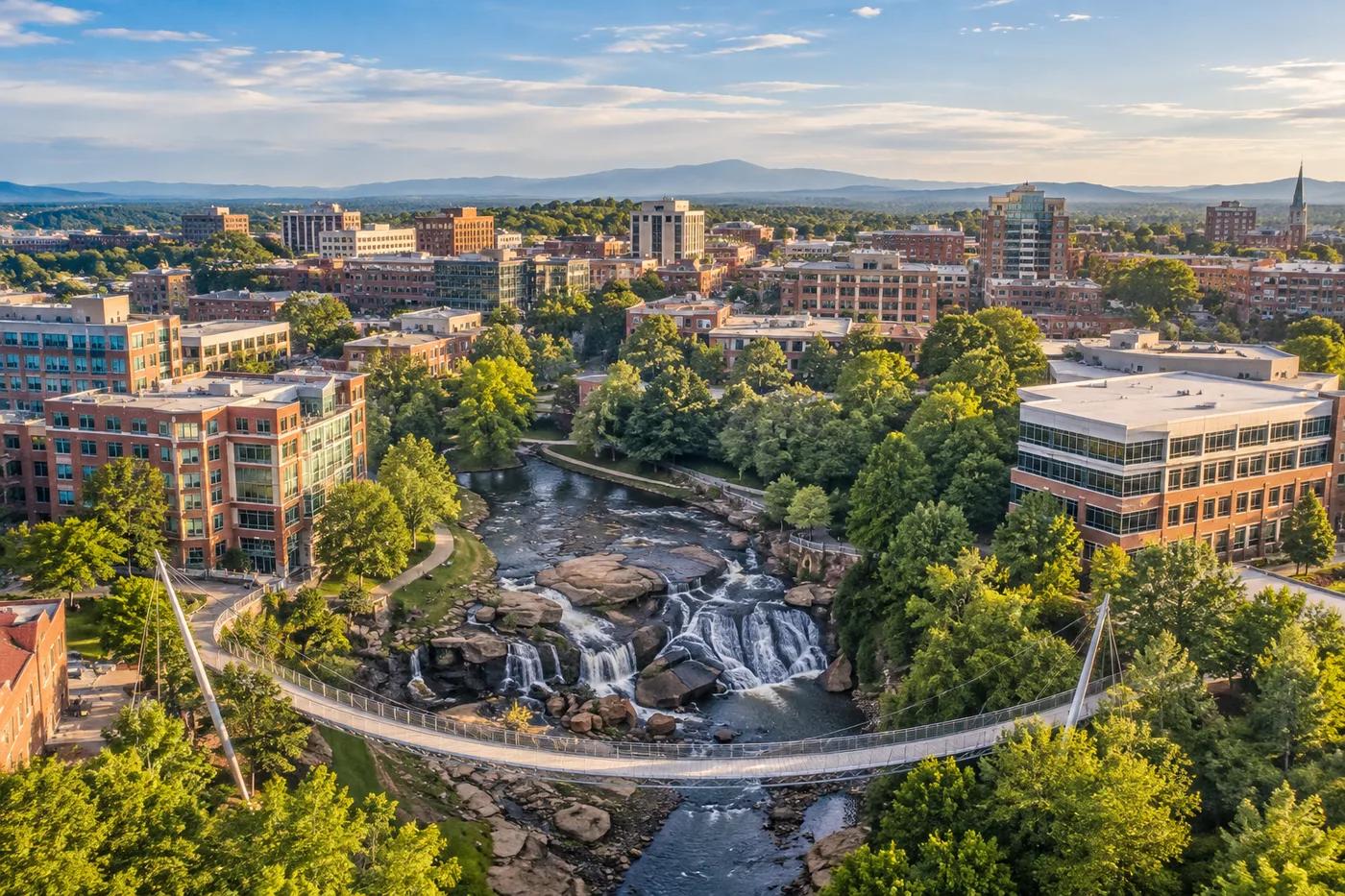
Humid Subtropical · urban setting
Read the local guide →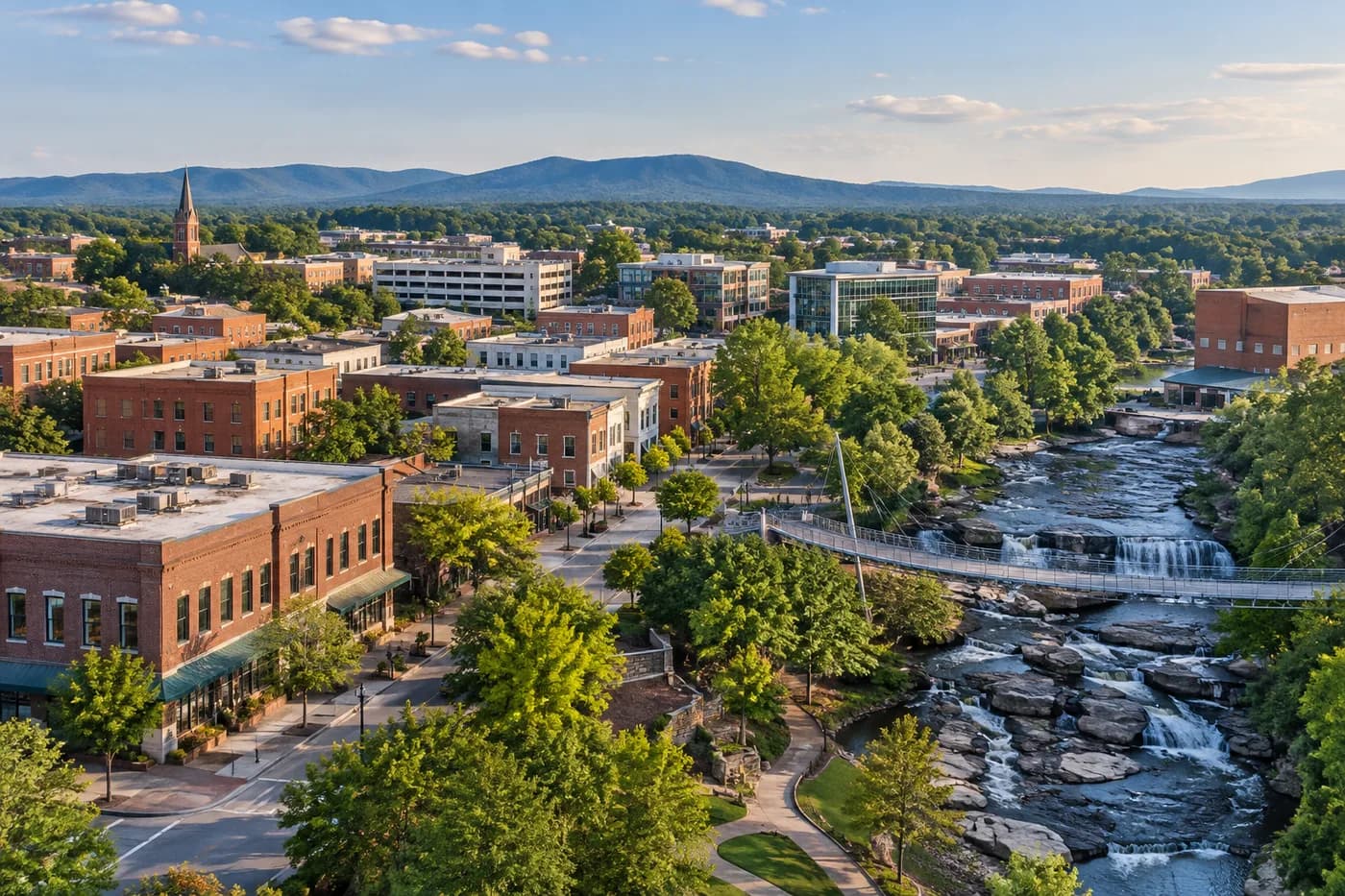
Humid Subtropical · suburban setting
Read the local guide →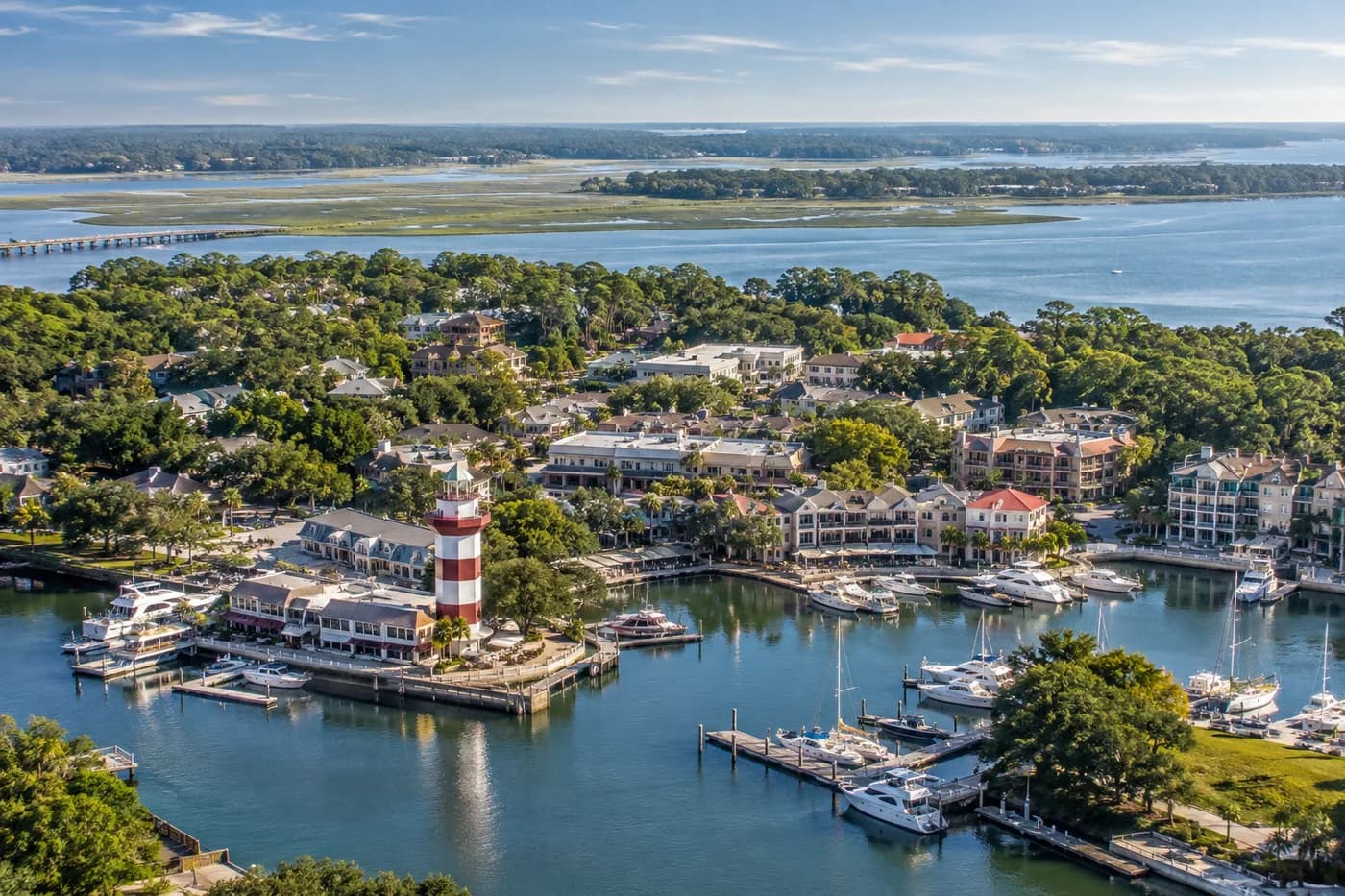
Humid Subtropical · suburban setting
Read the local guide →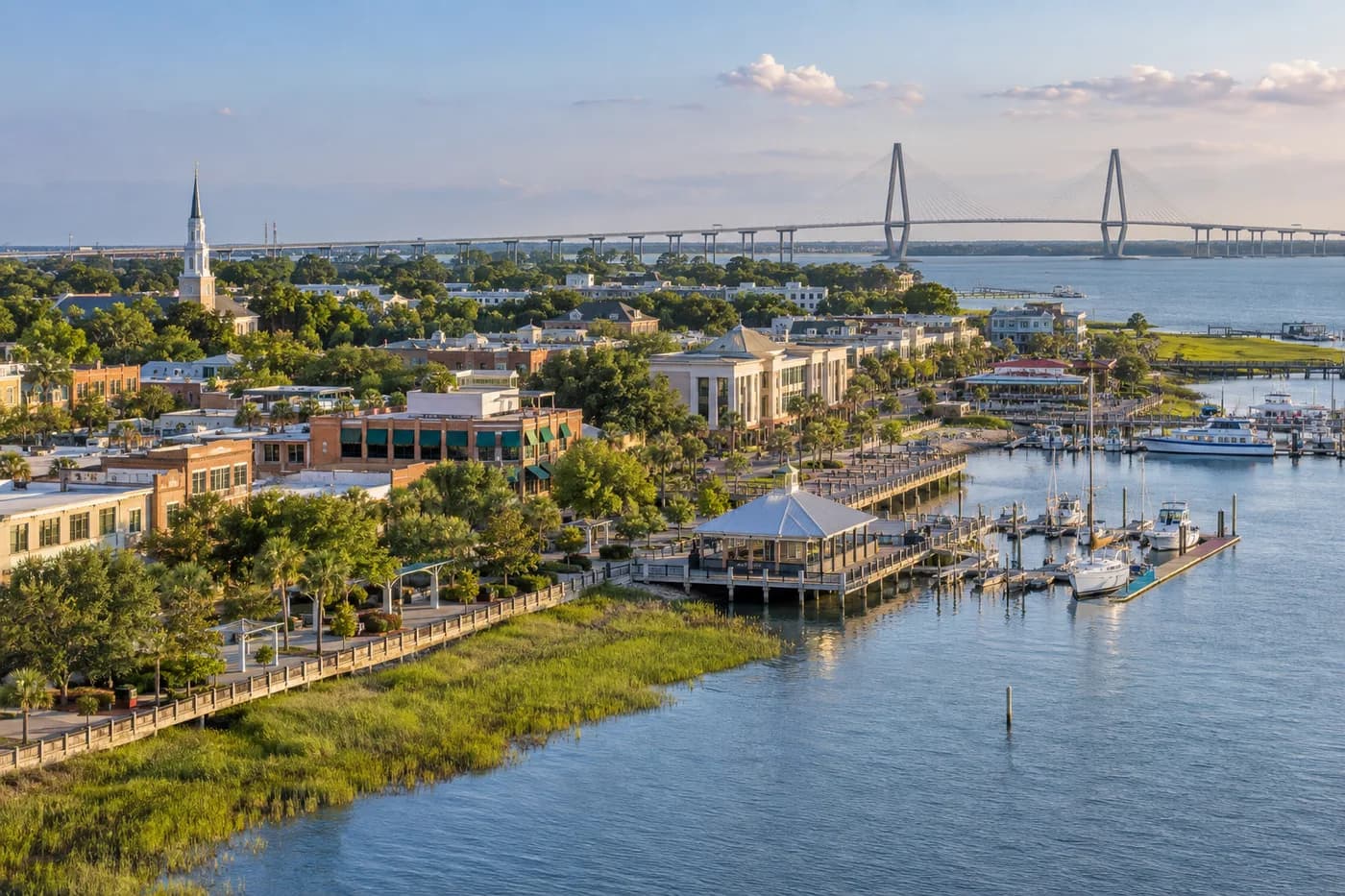
Humid Subtropical · suburban setting
Read the local guide →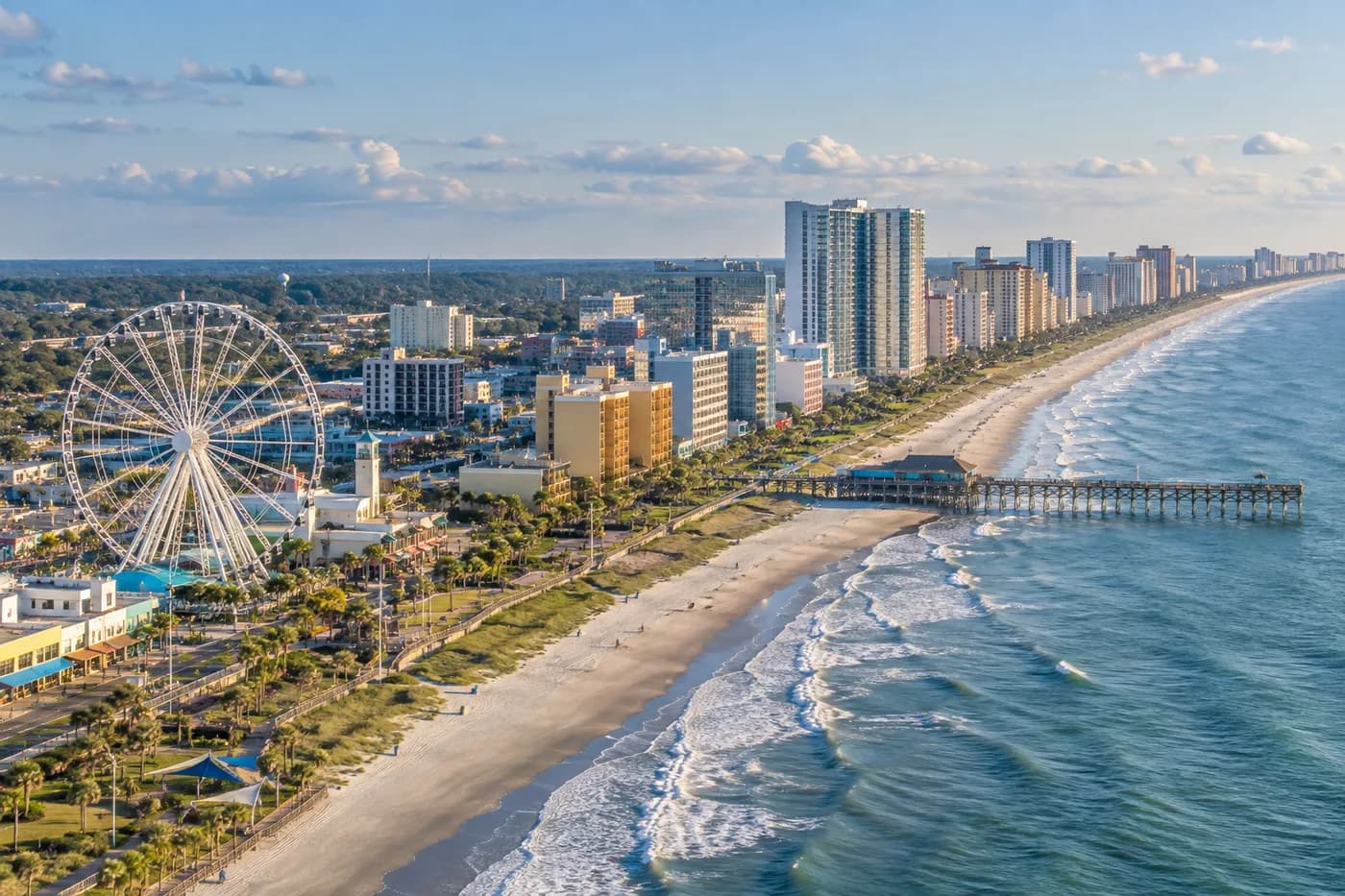
Humid Subtropical · urban setting
Read the local guide →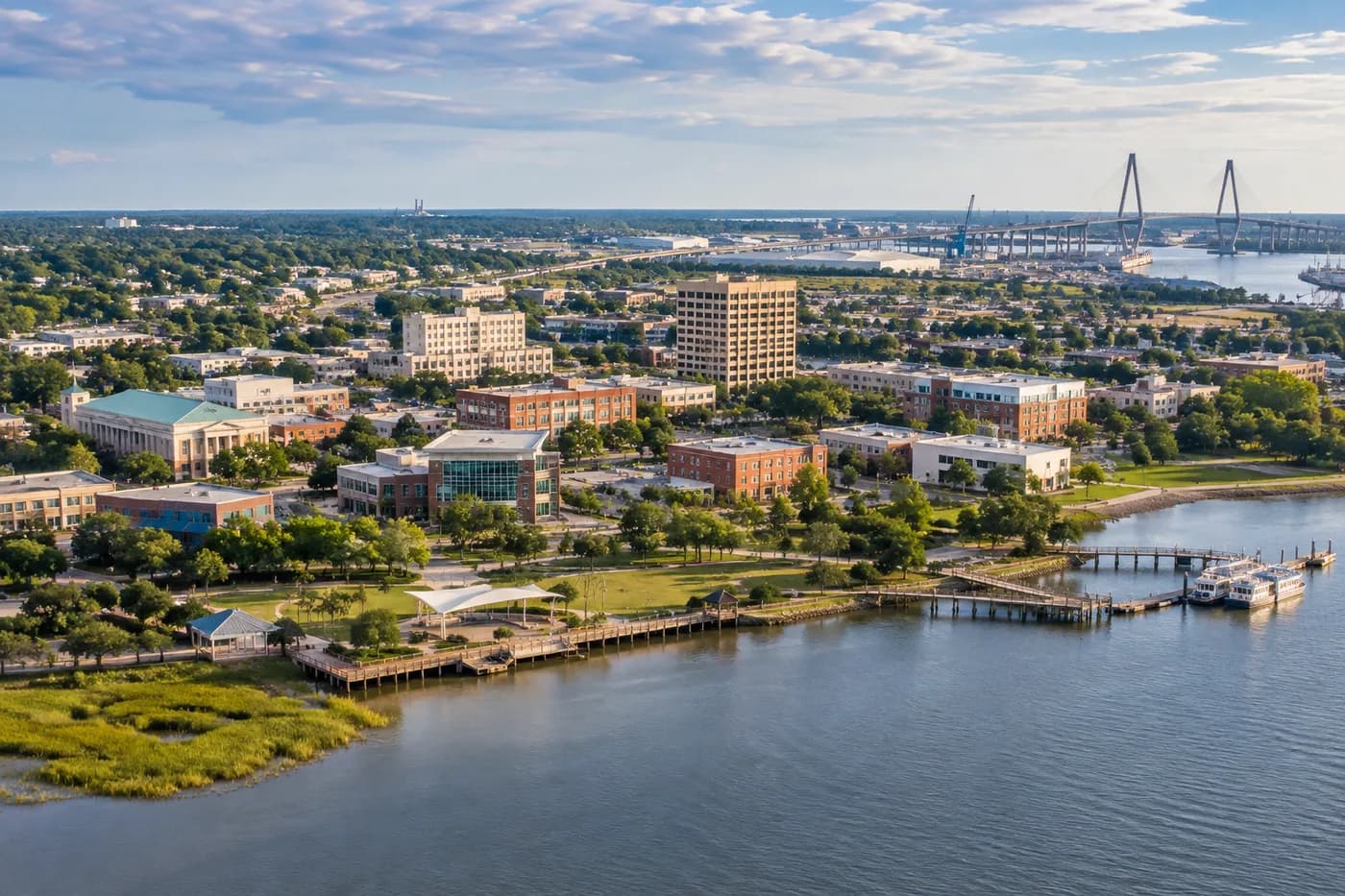
Humid Subtropical · urban setting
Read the local guide →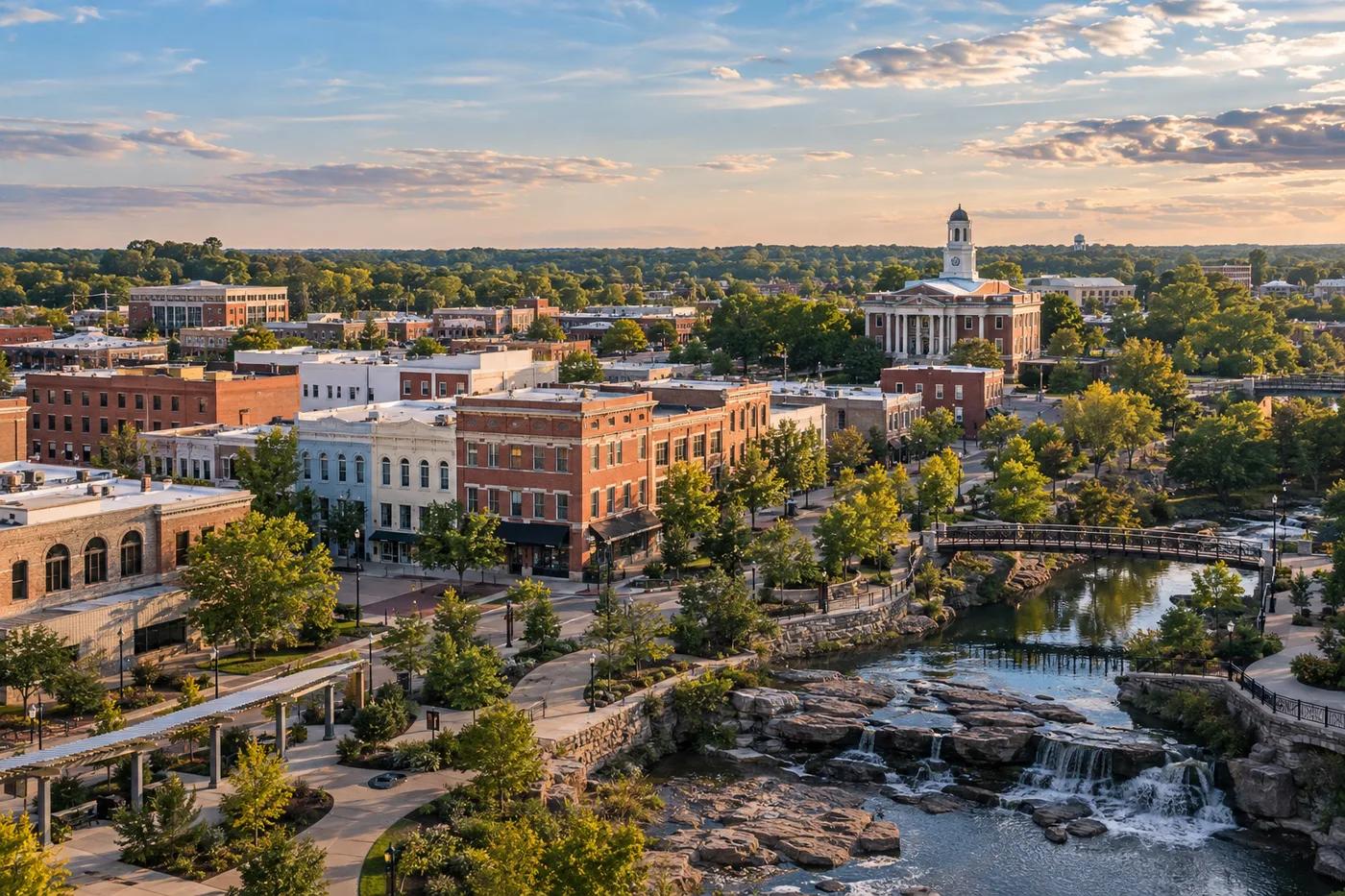
Humid Subtropical · suburban setting
Read the local guide →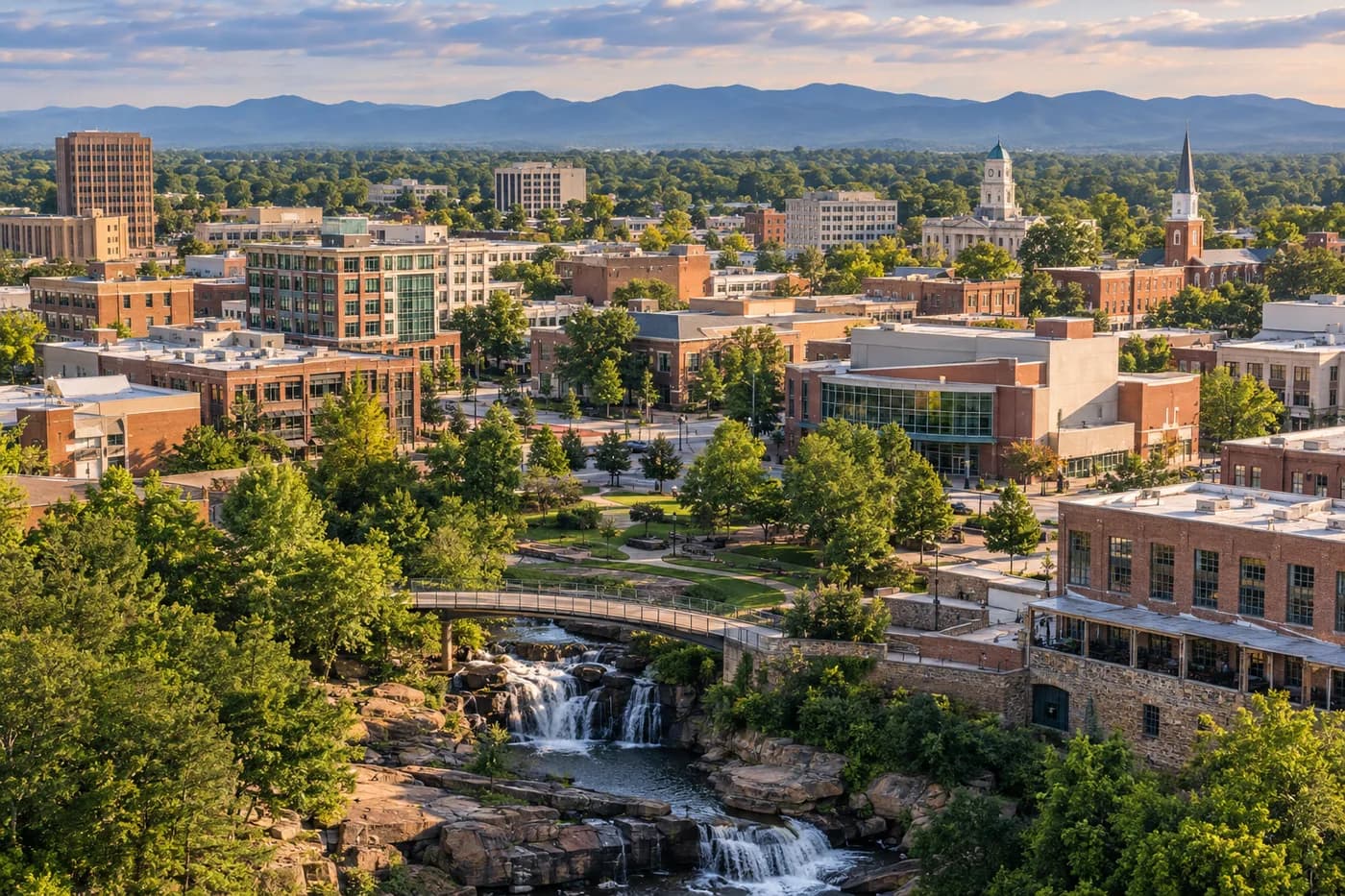
Humid Subtropical · suburban setting
Read the local guide →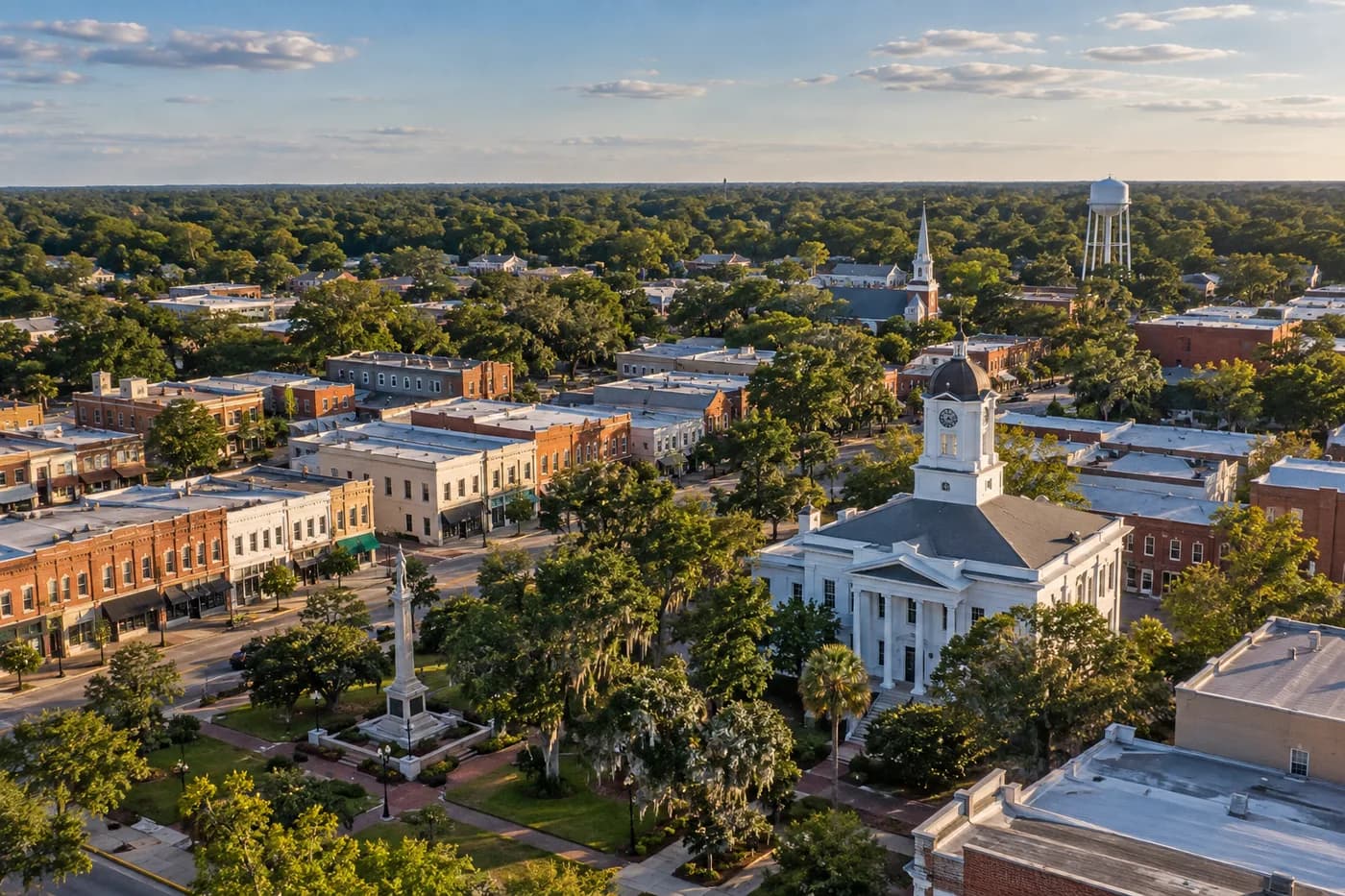
Humid Subtropical · suburban setting
Read the local guide →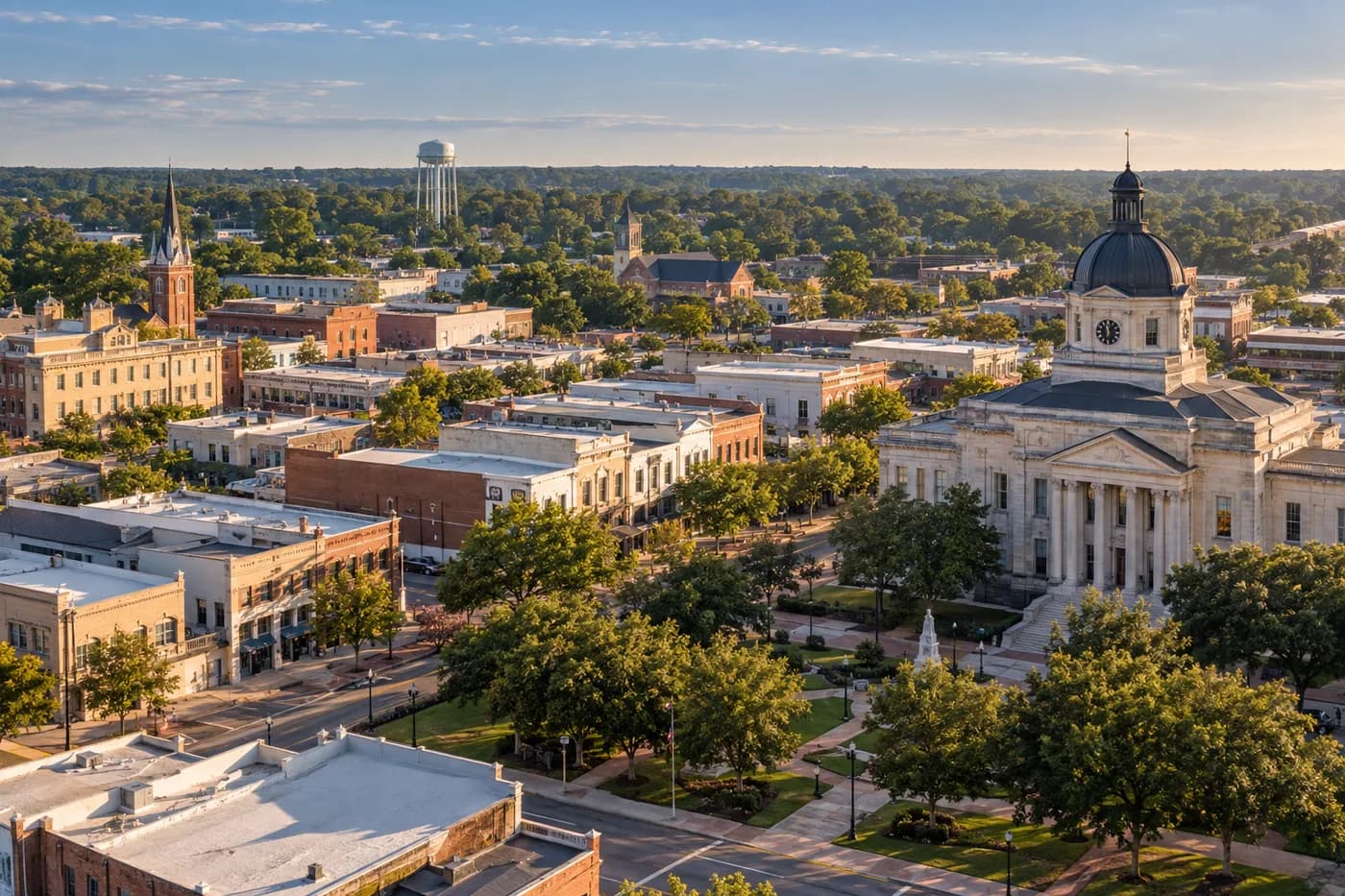
Humid Subtropical · suburban setting
Read the local guide →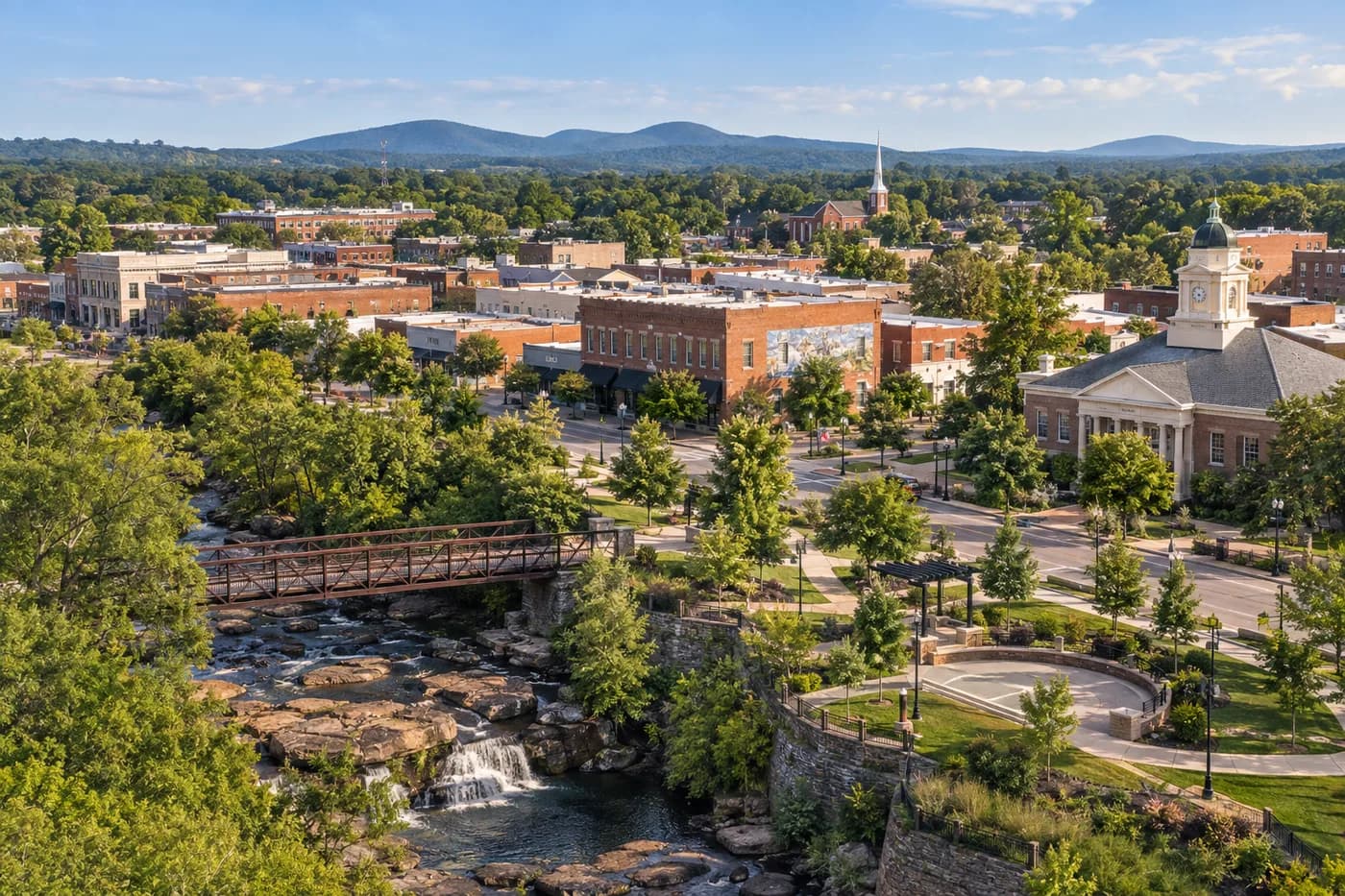
Humid Subtropical · suburban setting
Read the local guide →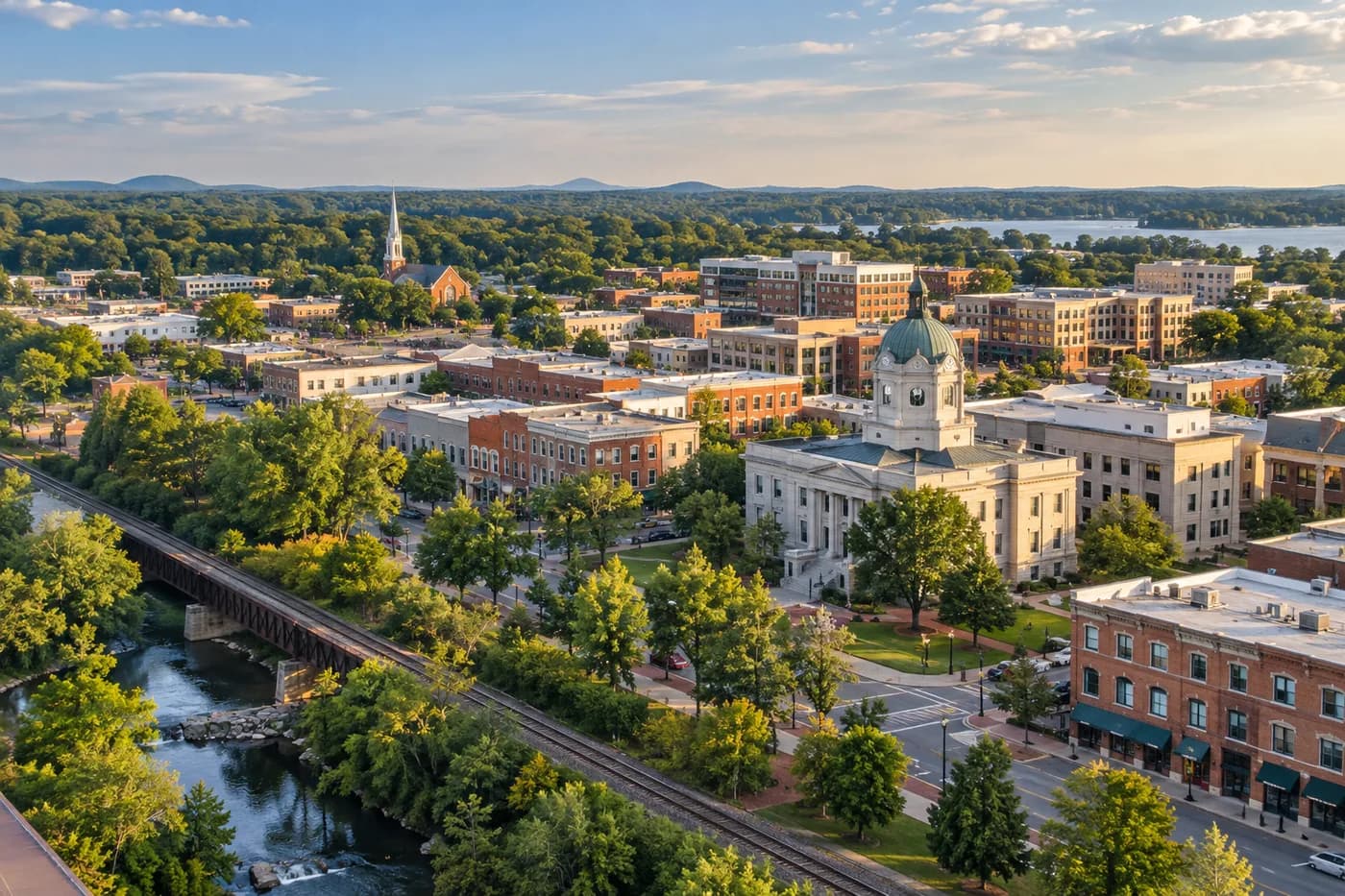
Humid Subtropical · rural setting
Read the local guide →