The short version
Termite control typically involves liquid soil treatments or bait stations costing $1,200–$3,000. to ask about an inspection.
- Termites cause $5 billion in property damage annually in the US; most homeowner insurance does not cover it.
- Subterranean termites swarm in spring (March–May), especially in warmer southern regions.
- Professional treatment costs $1,200–$3,000 for liquid/baits; fumigation can exceed $8,000 for severe infestations.
- DIY solutions are rarely effective for established colonies; professional inspection is critical.
- Prevention includes reducing moisture, removing wood-to-soil contact, and scheduling annual inspections.
This guide is for homeowners, real estate agents, property managers, and landlords who want a clear, factual understanding of termite control. Whether you're buying or selling a home, managing rental properties, or protecting your own residence, you'll find actionable information on costs, treatment options, prevention, and when to call a professional.
What to look for
Most homeowners insurance policies explicitly exclude termite damage, meaning repairs come out of pocket. Termites are the most economically destructive structural pest in the United States, causing an estimated $5 billion in property damage each year — a figure that does not include the cost of treatments. The problem is not isolated to one region: subterranean termites thrive in every state except Alaska, though the Gulf Coast and Southeast face year-round pressure due to warm, humid conditions.
- 1Mud tubes on foundation walls, floor joists, or crawlspace piers (pencil-sized tunnels sheltering termites).
- 2Discarded wings near windowsills, doors, or light fixtures (swarmers shed wings after mating).
- 3Hollow-sounding wood when tapped, or wood that crumbles easily.
- 4Blistered or bubbling paint that resembles water damage.
- 5Small, pellet-like frass (termite droppings) near wooden structures (for drywood termites).
- 6Tight-fitting doors or windows that become difficult to open due to warping wood.
- 7Visible damage to structural wood, often with a honeycomb pattern inside.
Why it’s worth acting soon
- Structural weakening of load-bearing beams, joists, and studs, leading to costly repairs.
- Increased treatment costs: early intervention is far cheaper than remediation after significant damage.
- Reduced home resale value; many states require a termite inspection (WDO/WDI report) for real estate transactions.
- Potential for colony expansion: a mature colony can contain millions of termites and persist for decades.
- Secondary issues like mold growth in moisture-damaged wood.
costs U.S. homeowners billions of dollars a yearTermite damageUSDA Treatment options and typical costs
Liquid Soil Treatment (Termiticides)
$1,200–$3,000
A chemical barrier is applied to the soil around the foundation, killing termites on contact and preventing entry. Modern products like fipronil are low-toxicity to humans and pets. Requires trenching or rodding; lasts 5–10 years.
- Time
- 1–2 days for application; protection lasts years
- Best for
- Active subterranean infestations; preventative treatment for new construction or existing homes.
Bait Station Systems
$1,200–$2,500 initial, plus annual monitoring fees ($200–$400)
Stations are placed in the ground around the property containing a slow-acting toxicant. Termites feed and share the bait with the colony, gradually eliminating it. Requires monitoring every 1–3 months.
- Time
- Ongoing; colony elimination can take months
- Best for
- Large properties; homes near wooded areas; as an alternative to liquid treatments.
Fumigation (Tenting)
$2,000–$8,000+ depending on house size
The entire structure is sealed and filled with a gas (sulfuryl fluoride) that penetrates all wood, killing drywood termites. Requires evacuation for 2–3 days. Most expensive and invasive option.
- Time
- 2–3 days; termites die within hours, but tenting remains for safety
- Best for
- Severe, widespread drywood termite infestations; whole-house treatment.
Prices are typical published ranges. Ask what’s included before you compare quotes.
 Subterranean termites don't stop in winter; they just go deeper. A quiet season is a good time for a non-urgent inspection.
Understanding Termite Biology and Behavior.
A single colony can contain hundreds of thousands to millions of termites and can persist for decades. They build mud tubes to travel from the soil to the wood, protecting them from predators and desiccation. Workers are the ones that damage wood, as they feed on cellulose. Termites are social insects that live in colonies with a caste system: workers, soldiers, and reproductives (including the king and queen). Understanding these behaviors is key to treatment: subterranean treatments focus on creating a barrier between soil and structure, while drywood treatments must penetrate the wood directly. Subterranean termites require contact with soil for moisture, while drywood termites live entirely inside wood and get moisture from the air. This symbiotic relationship is why termites can consume wood that most animals cannot. Termites digest wood with the help of protozoa and bacteria in their guts that break down cellulose.
Regional variations in Termite Pressure Across the US.
In the Southeast and Gulf Coast (e.g., Florida, Louisiana, Texas), the Formosan subterranean termite is especially destructive, forming larger colonies that can cause severe damage in just a few years. Termite activity varies dramatically by region. Real estate agents in these regions must ensure WDO/WDI reports are current for transactions. Homeowners in high-risk areas should invest in continuous protection plans (e.g., bait stations with annual monitoring) rather than one-time treatments. The Pacific Northwest and parts of the West have lower termite pressure, but drywood termites are a concern in coastal California. Colonies are typically smaller, but damage still accumulates over time. In the Midwest and Northeast, native subterranean termites are common, with swarms occurring in April–May. Spring swarms often begin as early as February in southern Florida. This region also experiences year-round pressure due to warm, humid conditions.
 A slow leak under a sink keeps the wood damp, and damp wood is exactly what termites are looking for.
The Role of Termite Inspections in Real Estate Transactions.
A clean inspection report can be a selling point, while a positive finding can delay or kill a deal. The inspection covers visible areas: the foundation, crawlspace, attic, exterior wood, and interior for signs of termites, carpenter ants, and wood rot. Lenders often demand it to protect their investment. In many states, a termite inspection (also called a Wood-Destroying Organism or WDI report) is required before a home sale. to ask about one. Most termite companies include a WDO/WDI report with an inspection. As a homeowner, scheduling an annual inspection helps avoid surprises during a sale and can detect problems early. Sellers may be required to treat and repair damage before closing.
What affects the price
- Size of the home and property (larger homes require more material and labor).
- Type and extent of infestation (subterranean vs. drywood; localized vs. widespread).
- Treatment method chosen (liquid, bait, fumigation).
- Accessibility of crawlspace, attic, and foundation (cramped spaces increase labor).
- Geographic region (prices vary; Gulf Coast tends to be higher due to year-round pressure).
- Number of structures (detached garage, shed, etc.).
- Whether a warranty or annual renewal is included (many companies offer renewable protection plans).
📊
What is your biggest concern about termites?
When to call for help
Even if you suspect an infestation, an inspection can give you peace of mind or catch the problem early. to ask about an inspection. If you notice any signs of termites — mud tubes, swarmers, damaged wood, or frass — call a licensed pest control professional immediately. Do not attempt to treat a large colony yourself; DIY products rarely eliminate the entire colony and can scatter termites, making the problem worse.
What you can do yourself
Professional treatments use specialized equipment, formulations, and application techniques that ensure the colony is eliminated and the home is protected. The cost of a professional treatment is a fraction of the cost of repairing termite damage. For minor, localized drywood termite issues (e.g., a single piece of furniture), spot treatments with borate sprays or foams may work. However, for an established colony in the structure, DIY methods are almost always inadequate. Subterranean termites live in colonies deep underground; surface sprays won't reach them.
Where you live matters
Termite pressure varies significantly across the United States. In the South and Gulf Coast, the Formosan subterranean termite is a major threat, known for its aggressive feeding and ability to infest structures rapidly. Homeowners in these areas should consider preventive bait systems and annual inspections. In the Midwest and Northeast, native subterranean termites are common, with peak swarming in spring. The arid West has lower subterranean termite activity, but drywood termites can be problematic in coastal California and Hawaii. Regardless of region, all homes with wood framing are at risk, and annual inspections are recommended.
Simple ways to keep termites away
- Eliminate moisture: fix leaky faucets, pipes, and gutters; ensure proper drainage away from the foundation.
- Remove wood-to-soil contact: keep firewood, lumber, and mulch at least 6 inches off the ground and away from the house.
- Seal cracks in the foundation and around utility entries with caulk or expanding foam.
- Replace wood mulch with stone or rubber mulch near the foundation.
- Install a vapor barrier in crawlspaces to reduce humidity.
- Trim tree branches and shrubs away from the house to prevent termite bridges.
- Schedule annual termite inspections — early detection is the best prevention.
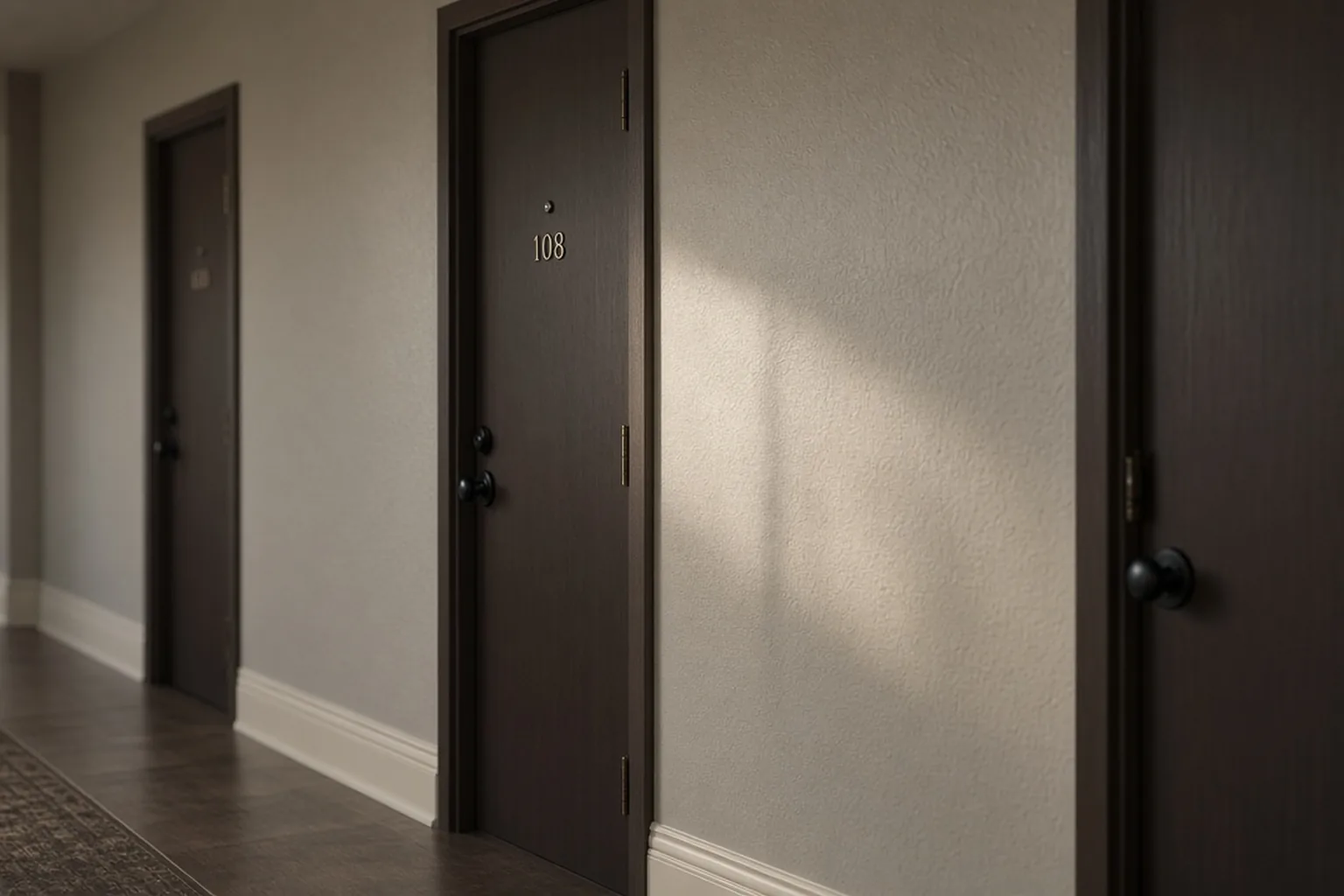 In an apartment building, termites travel through shared walls and slab joints, so one unit's problem is the whole building's problem.
Did you know?
A termite colony can last for decades and hold millions of termites, with the queen laying thousands of eggs a day.
Without the microbes living in their gut, termites would starve on a diet of wood.
Termites look a little like ants, but they're actually closer cousins to cockroaches.
Questions people ask
How do I know if I have termites?
Look for mud tubes on foundation walls, discarded wings near windows, hollow-sounding wood, blistered paint, and frass (termite droppings). If you see any of these signs, schedule a professional inspection.
Does homeowners insurance cover termite damage?
Most standard homeowners insurance policies exclude termite damage because it is considered preventable. Repairs must be paid out of pocket. No.
How much does termite treatment cost?
Fumigation for drywood termites can cost $2,000–$8,000 or more. Some companies inspect for free and others charge, so ask up front. Liquid or bait treatments typically cost $1,200–$3,000 for an average home.
Can I treat termites myself?
For subterranean termites, professional treatment is necessary because the colony lives in the soil. For drywood termites, spot treatments may work for small infestations, but whole-house fumigation is often needed. DIY products like sprays and foams may kill surface termites but rarely eliminate the colony.
How often should I get a termite inspection?
Annual inspections are recommended for all homes. In high-risk areas (Gulf Coast, Southeast), some experts suggest twice a year.
What is the difference between subterranean and drywood termites?
Drywood termites live inside wood and do not need soil contact, making them harder to detect. Treatment methods differ: subterranean treatments target the soil, while drywood treatments target the wood directly. Subterranean termites live in the soil and build mud tubes to reach wood; they require moisture.
What are the signs of termites that homeowners miss?
In Homeowners, termites are best caught early through inspection, because the damage is hidden inside wood until it is far along. In Homeowners, a professional inspection looks for mud tubes, damaged wood, and swarming activity, and treatment targets the soil and the colony rather than just the visible wood.
Sources (11)
The facts in this article come from the public sources listed above. Every home is different, so ask the company you talk to about pricing and what’s included. Published by Termite Exterminator · Updated September 11, 2026 · How we write these guides