The short version
Termites cause $5 billion in damage annually in the US. The key to minimizing damage is early detection through a professional inspection. Most treatments cost between $1,200 and $3,000, and many companies offer no-charge inspection.
- Termites cause $5 billion in property damage each year in the US.
- Homeowners insurance typically does not cover termite damage.
- Spring (March-May) is peak swarming season for subterranean termites.
- A professional inspection is the only way to confirm an infestation.
- Liquid soil treatments and bait systems are the most common control methods.
If you own rental properties, a proactive termite control plan can save thousands in repairs and tenant disputes. If you're buying or selling a home, many states require a termite inspection (also called a WDO or WDI report) as part of the transaction. This guide is written for homeowners, real estate agents, property managers, and landlords who need to understand termite risks, inspection requirements, and treatment solutions.
What to look for
Termites are social insects that live in colonies, often underground or inside wood structures. The most common species in the US are subterranean termites (which require contact with soil) and drywood termites (which infest dry wood directly). Subterranean termites build mud tubes to travel from soil to wood, and they can enter homes through cracks in the foundation. Formosan subterranean termites, found primarily along the Gulf Coast and in the Southeast, are particularly aggressive and can damage a home faster than native species. Because termites eat wood from the inside out, an infestation can go unnoticed for years. By the time visible signs appear—like buckling paint or hollow-sounding wood—significant structural damage may already exist. The average cost to repair termite damage is thousands of dollars, and some homeowners have spent over $30,000 on repairs. That's why early detection through annual inspections is critical.
- 1Mud tubes on foundation walls, floor joists, or crawl spaces (subterranean termites).
- 2Discarded wings near windowsills, doors, or light fixtures (swarmers).
- 3Hollow-sounding wood when tapped.
- 4Buckling or blistered paint on wood surfaces.
- 5Small holes in drywall or wood with piles of frass (termite droppings).
- 6Wood that crumbles easily or feels soft and spongy.
- 7Visible tunnels or galleries inside wood when opened.
Why it’s worth acting soon
- Structural damage to load-bearing beams, joists, and studs—repairs can cost tens of thousands.
- Compromised safety: weakened floors, ceilings, and walls may collapse.
- Spread of infestation: one colony can produce secondary colonies, affecting more areas of the home.
- Lower property value: undisclosed termite damage can derail a home sale and reduce appraisal value.
- Increased treatment cost: advanced infestations often require fumigation or extensive localized repairs.
costs U.S. homeowners billions of dollars a yearTermite damageUSDA Treatment options and typical costs
Liquid Soil Treatment
$1,200 - $2,500
A chemical barrier is applied to the soil around the foundation to kill termites and prevent entry. Commonly used termiticides include non-repellent chemicals like fipronil or imidacloprid.
- Time
- Treatment takes a few hours; barrier lasts 5-10 years with proper application.
- Best for
- Active subterranean termite infestations; preventive treatment for new construction.
Baiting System
$1,500 - $3,000 (installation + monitoring)
Stations containing wood or cellulose bait are placed in the ground around the property. Termites feed on the bait and share it with the colony, gradually eliminating it. Examples include Sentricon and Advance.
- Time
- Installation is quick; colony elimination may take weeks to months. Ongoing monitoring required.
- Best for
- Large properties, sensitive environments, or where liquid treatment is not desired.
Fumigation (Tenting)
$1,500 - $8,000
The entire structure is sealed and filled with a gas (usually sulfuryl fluoride) that penetrates all wood. This kills all termites inside, including drywood termites.
- Time
- 2-3 days for treatment plus preparation and aeration.
- Best for
- Severe, widespread drywood termite infestations in warm climates (e.g., California, Florida).
Prices are typical published ranges. Ask what’s included before you compare quotes.
 Check under the kitchen sink for dampness and soft cabinet wood. Plumbing walls are a common path for termites coming up from a slab.
Understanding Termite Life Cycles and Swarmers.
Unlike subterranean termites, drywood termites do not need soil contact and can infest attic beams, furniture, and even picture frames. Drywood termites swarm at different times depending on species and region, often in late summer or fall. Seeing swarmers indoors is a strong sign of an infestation, as they come from a colony already inside the home or in the yard. Swarmers are attracted to light and often appear near windows or doors. In the US, subterranean termites typically swarm in spring (March to May) after a rain, when temperatures are warm and humid. Swarming is the primary way termites spread. Reproductives include the king and queen, as well as alates (swarmers) that leave the colony to start new ones. Soldiers have large jaws to defend the colony. Workers are the ones that cause damage—they are blind, pale, and constantly forage for cellulose. Termite colonies have three castes: workers, soldiers, and reproductives. Their presence is usually indicated by small piles of frass (pellets) that resemble sawdust or pepper.
What to Expect During a Professional Termite Inspection.
We provide a clear explanation of our findings and treatment options, and we stand behind our work. Our inspectors are licensed and trained to spot even subtle signs of termite activity. For real estate transactions, the inspector will provide a WDO (Wood-Destroying Organism) report, which is often required by lenders. After the inspection, you'll receive a detailed report outlining any findings, recommended treatments, and a cost estimate. They may use a termite dog or infrared camera for harder-to-see areas. Using a flashlight and moisture meter, the inspector probes wood for hollow spots and looks for mud tubes, frass, and damage. The inspector will also check for moisture problems, wood debris, and soil contact. The inspection includes the foundation, crawl spaces, attic, basement, garage, and all accessible wood structures. A licensed inspector will examine the entire property, inside and out, looking for signs of termite activity and conditions that invite infestation. A thorough termite inspection is the cornerstone of termite control. to ask about an inspection.
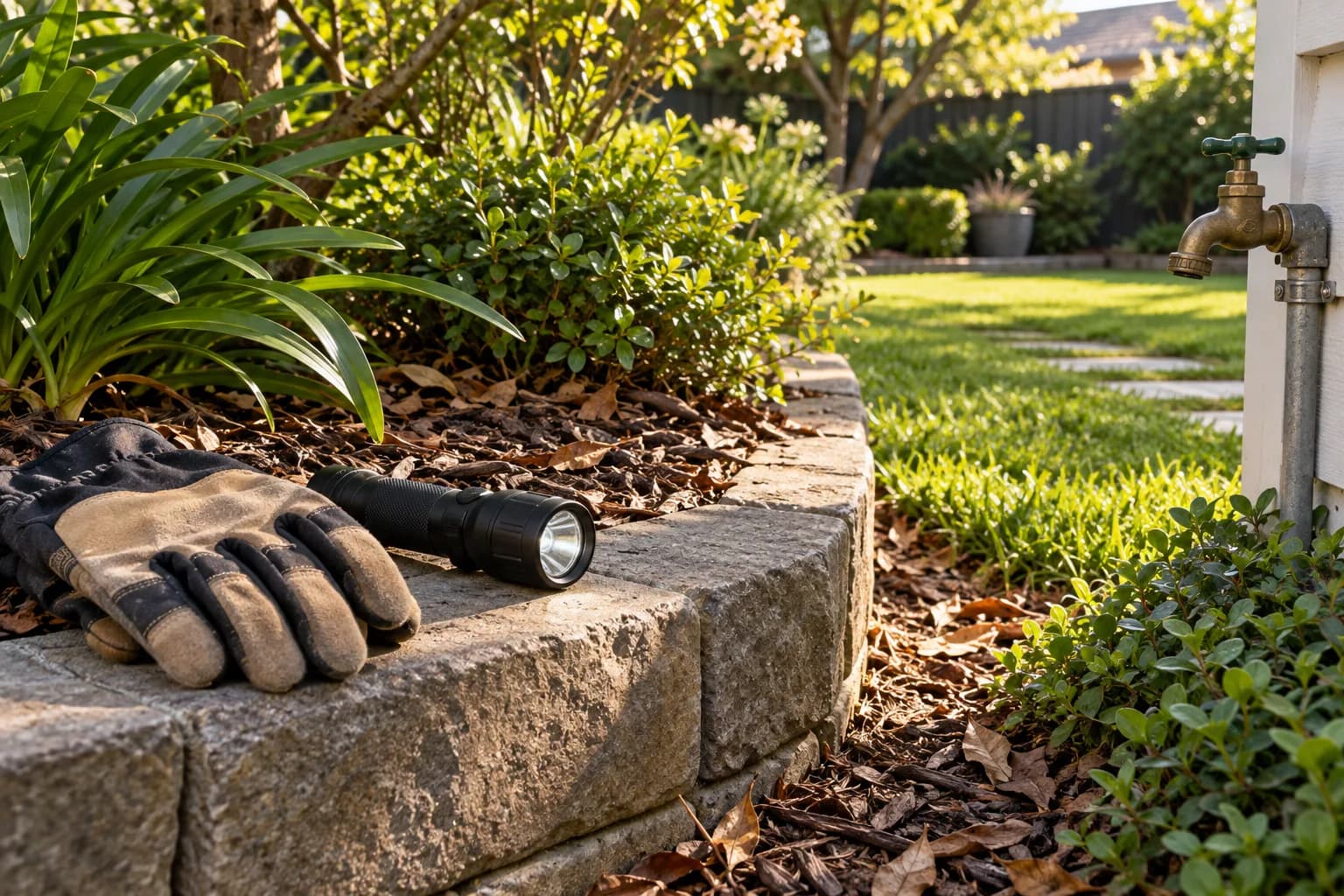 Mulch piled against the house and a dripping hose bib give termites moisture and cover. Pull mulch back and fix the drip.
Regional Termite Risks Across the United States.
A professional familiar with your region can tailor a prevention and treatment plan that works for your specific situation. Regardless of where you live, local climate and construction style affect termite risk. In the arid Southwest, termite pressure is lower but still present, especially in irrigated landscapes. Drywood termites are more common in coastal areas with mild winters. The Pacific Coast, especially California, has both subterranean and drywood termites. Homes with crawl spaces and basements are at higher risk. In the Midwest and Northeast, subterranean termites are common but activity slows in winter. In these regions, annual inspections and preventive treatments are strongly recommended. States like Florida, Louisiana, Texas, and Georgia see the most active infestations, including the aggressive Formosan subterranean termite. The highest risk areas are the Gulf Coast, Southeast, and parts of the South where warm, humid conditions allow termites to thrive year-round. Termite risk varies dramatically by region. Service is available statewide.
What affects the price
- Type of treatment: liquid barriers are typically less expensive than fumigation.
- Size of the home: larger homes require more material and labor.
- Extent of infestation: multiple colonies or widespread damage increase cost.
- Accessibility: crawl spaces, slab foundations, and multi-story homes affect difficulty.
- Geographic location: costs are higher in high-risk areas like the Gulf Coast.
- Warranty options: renewable annual contracts add to long-term cost but provide peace of mind.
- Preparation requirements: fumigation requires you to vacate and prepare the property.
📊
What's your biggest concern about termites?
When to call for help
Even if you don't have visible signs, an annual inspection by a licensed operator is the best defense. For real estate transactions, many lenders require a termite inspection before closing. Call a professional as soon as you see any sign of termites—mud tubes, swarmers, damaged wood—or if you haven't had an inspection in over a year.
What you can do yourself
DIY termite control is rarely effective for eliminating an established colony. Over-the-counter sprays and foams may kill visible termites but won't reach the colony's heart. Bait stations sold at big-box stores often fail because they aren't monitored properly. For prevention, you can reduce moisture and remove wood debris, but for active infestations, professional treatment is essential. Professionals have access to commercial-grade termiticides and bait systems, as well as the training to locate the colony. They also provide warranties and follow-up monitoring. While DIY may seem cheaper upfront, a failed treatment can lead to costly damage. In most cases, the cost of professional treatment is far less than repair bills.
Where you live matters
In the United States, termite risk is highest in the Southeast and Gulf Coast regions, where warm temperatures and high humidity create ideal conditions. The Formosan subterranean termite, which originated in Asia, has become a major problem in cities like New Orleans, Houston, and Mobile. These termites build large colonies and can damage a home in as little as six months. In the Northeast and Midwest, subterranean termites are the primary concern, with swarming activity peaking in spring. Homes with wood foundations or those built on slabs are especially vulnerable. In California and the Pacific Coast, drywood termites are a significant threat, often requiring fumigation for large infestations. Even in low-risk areas like the Rocky Mountains or Desert Southwest, termites can still infest homes that have moisture issues or wood-to-soil contact. No region is completely immune. That's why annual inspections are recommended everywhere, and why many lenders require a termite clearance letter before approving a mortgage.
Simple ways to keep termites away
- Eliminate moisture: fix leaky pipes, ensure gutters drain away from the foundation, and ventilate crawl spaces.
- Remove wood-to-soil contact: keep firewood, lumber, and debris away from your home's foundation.
- Seal cracks and crevices in your foundation, walls, and around utility lines.
- Use termite-resistant building materials like treated wood or concrete when possible.
- Install a termite bait station system around your property as a monitoring tool.
- Schedule annual professional inspections to catch problems early.
- Reduce yard debris and keep mulch at least 6 inches from the siding.
 An inspection starts outside, with a flashlight along the foundation line where mud tubes show up first.
Did you know?
A single termite colony can hold over a million termites and keep going for decades.
Termites can't digest wood on their own. Protozoa and bacteria in their gut do it for them.
The Formosan termite is nicknamed the super termite for its huge colonies and appetite.
Questions people ask
How do I know if I have termites?
Look for mud tubes on foundations, discarded wings near windows or doors, hollow-sounding wood, small holes in drywall with frass (termite droppings), and buckling paint. A professional inspection provides a definitive answer.
Does homeowners insurance cover termite damage?
Some insurers offer separate termite damage coverage as an add-on. Termite infestations are considered preventable, so damage is typically excluded. No, most standard homeowners insurance policies do not cover termite damage.
How much does termite treatment cost?
Some companies offer no-charge inspection and estimates. Fumigation for drywood termites can cost $1,500 to $8,000 depending on home size. Baiting systems range from $1,500 to $3,000 for installation plus monitoring fees. Liquid treatments typically cost $1,200 to $2,500.
How long does termite treatment last?
Fumigation kills all termites present but provides no residual protection, so re-infestation is possible. Baiting systems require ongoing monitoring and bait replacement. Liquid soil treatments create a barrier that lasts 5-10 years if undisturbed.
Can I treat termites myself?
Professional treatments use commercial-grade products and techniques that target the colony directly. Over-the-counter sprays may kill visible termites but won't reach the colony. DIY treatments are generally ineffective for eliminating an entire colony.
How often should I get a termite inspection?
You should also inspect after any major weather event or if you notice signs. If you're buying or selling a home, a termite inspection (WDO report) is often required by lenders. Annual inspections are recommended for most homes, especially in high-risk areas.
What is a WDO report?
A WDO (Wood-Destroying Organism) report, also called a termite inspection report, documents any evidence of termites or other wood-destroying pests (like carpenter ants or wood-boring beetles) in a property. It is commonly required during real estate transactions.
Are termites active in winter?
In colder regions, infestations may be less active but not eliminated. Drywood termites are active year-round in warm climates. They can still cause damage in winter. Subterranean termites remain active year-round in heated structures, though outdoor activity slows in cold weather.
Sources (11)
The facts in this article come from the public sources listed above. Every home is different, so ask the company you talk to about pricing and what’s included. Published by Termite Exterminator · Updated September 11, 2026 · How we write these guides