The short version
Termite control involves prevention, detection, and treatment. Professional liquid or bait treatments cost $1,200-$3,000, while fumigation can reach $8,000. Annual inspections and moisture control are key to prevention.
- Termites cause $5 billion in US property damage annually, and most homeowner's insurance does not cover it.
- Spring (March-May) is peak swarm season, but the Gulf Coast has year-round risk.
- Professional treatments like liquid barriers and bait stations are the most reliable solutions.
- DIY methods are rarely effective for active infestations; prevention is where DIY shines.
- A no-charge inspection from a licensed pro is the best first step.
- Anyone building a house can use $883 as a rough yardstick for pre-construction termite treatment, the professional-reported average in Pest Control Technology (PCT) magazine's 2025 termite market report (about 145 respondents, 2024 pricing), while remembering that actual quotes depend on slab size, region and product.
This guide is written for homeowners, real estate agents, property managers, and landlords who need to protect their property value. Whether you're buying or selling a home, managing a rental, or simply safeguarding your biggest investment, you'll find actionable advice on prevention, treatment costs, and how to choose the right control method.
What to look for
The financial risk is real: a moderate infestation can cost $3,000 to $8,000 to treat, and repairs can run tens of thousands. Drywood termites, common in coastal areas from the Carolinas to California, infest dry wood directly, often in attics or furniture, and can spread without soil contact. The Formosan subterranean termite, found along the Gulf Coast, is particularly aggressive—a single colony can contain millions and consume wood at a rapid pace. They can remain hidden for years, causing extensive damage before any visible signs appear. Subterranean termites, the most common type in the US, live in colonies underground and build mud tubes to reach above-ground wood. Termites are not just a nuisance; they are a structural threat.
- 1Mud shelter tubes on foundation walls, floor joists, or crawl spaces (pencil-width or larger).
- 2Discarded wings near windows or doors (often in piles, indicating a swarm).
- 3Hollow-sounding wood when tapped; wood that crumbles easily.
- 4Frass (termite droppings) that look like small, ridged pellets (common with drywood termites).
- 5Tight-fitting doors or windows that suddenly become difficult to open due to warped frames.
- 6Small, pinpoint holes in drywall or wood with surrounding dirt or frass.
- 7Visible termite swarmers (winged reproductives) indoors, especially in spring.
Why it’s worth acting soon
- Structural weakening: Termites can compromise load-bearing beams, leading to sagging floors and roof damage.
- Increased repair costs: The longer an infestation goes untreated, the more extensive and expensive repairs become.
- Loss of property value: A history of termite damage can reduce resale value and require disclosure.
- Health hazards: While termites don't directly transmit diseases, their droppings and dust can aggravate allergies and asthma.
- Insurance denial: Most policies exclude termite damage, leaving you with 100% of the cost.
costs U.S. homeowners billions of dollars a yearTermite damageUSDA Treatment options and typical costs
Liquid Soil Treatment (Termiticide Barrier)
$1,200-$3,000
A liquid termiticide is applied to the soil around the foundation to create a continuous barrier. Termites crossing it are either repelled or killed. Modern non-repellent termiticides are highly effective.
- Time
- Lasts 5-10 years with proper application
- Best for
- Preventive treatment for new construction or active subterranean termite infestations
Bait Station System
$1,500-$3,500 initial, $300-$500 annual monitoring
Stationary stations placed in-ground around the property contain a slow-acting bait that termites carry back to the colony, eventually eliminating it. Multiple visits are required for monitoring.
- Time
- Ongoing; colony elimination takes weeks to months
- Best for
- Long-term control and prevention, especially for properties with large colonies or sensitive environments
Fumigation (Tenting)
$1,200-$8,000 (varies by home size and location)
The entire structure is sealed and filled with a gas (sulfuryl fluoride) that penetrates all wood, killing drywood termites and other pests. Requires vacating the home for 2-3 days.
- Time
- Single treatment; no residual protection
- Best for
- Severe, widespread drywood termite infestations in large homes or multiple locations
Prices are typical published ranges. Ask what’s included before you compare quotes.
 Check under the kitchen sink for dampness and soft cabinet wood. Plumbing walls are a common path for termites coming up from a slab.
Understanding Termite Biology and Behavior.
This is why moisture control is critical—termites need humidity to survive. The colony grows slowly at first (often unnoticed for 3-5 years) before rapidly expanding and causing visible damage. Swarming typically occurs in spring after a warm rain. Swarmers are attracted to light and often gather around windows. If you see swarmers indoors, it likely means a mature colony is present in or near your home. After mating, the pair shed their wings and start a new colony in a moist, wood-rich environment.
Regional variations in Termite Risk Across the US.
For property managers and landlords, annual inspections are a wise investment to protect assets and avoid tenant disputes. Real estate transactions in many states require a termite inspection (WDO/WDI report). This is especially common in the South and Southeast, where lenders often mandate a clearance letter. Buyers should always review the inspection report and ensure any past treatment has a transferable warranty.
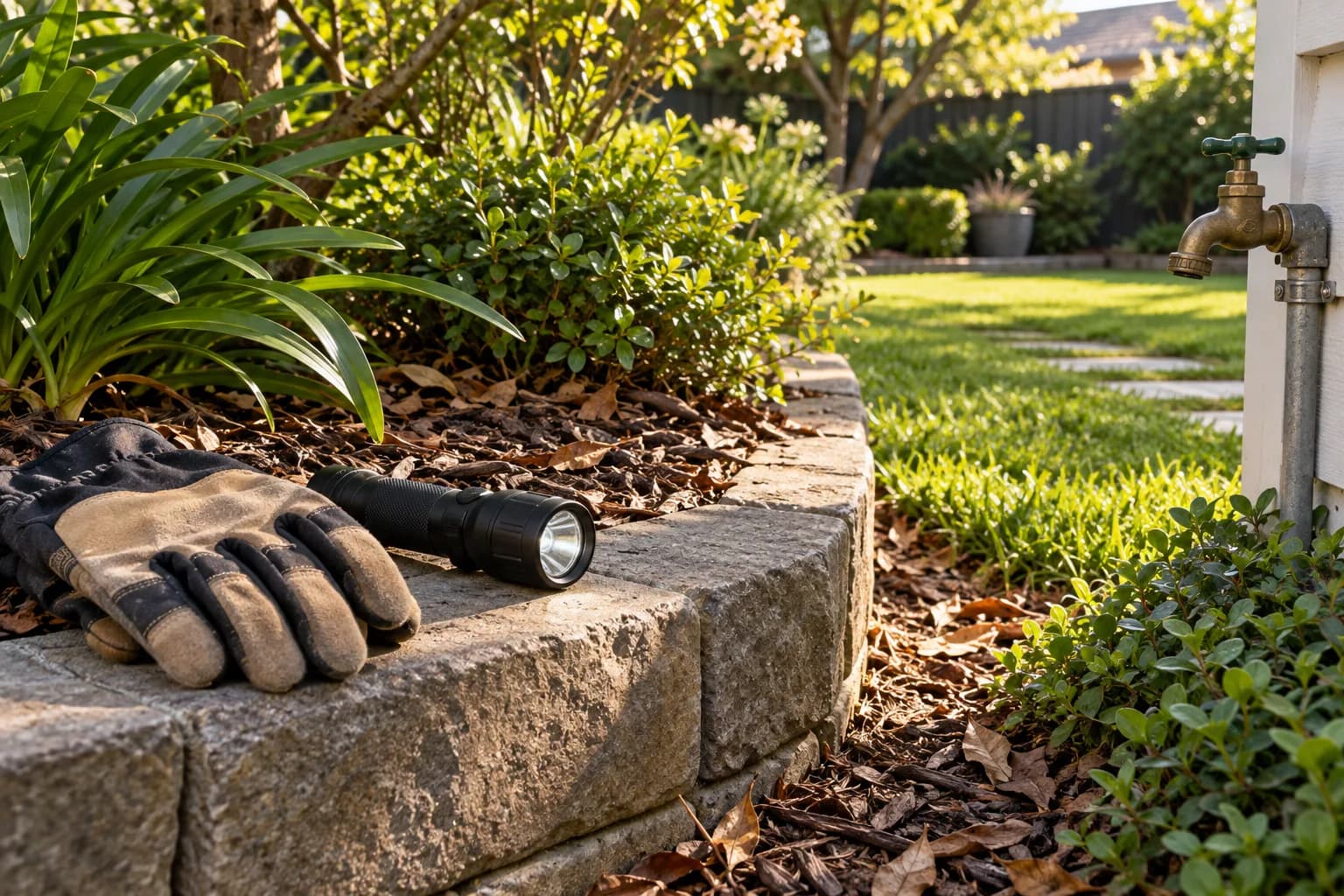 Mulch piled against the house and a dripping hose bib give termites moisture and cover. Pull mulch back and fix the drip.
The Science Behind Termite Treatments: How They Work.
Liquid barriers are best for prevention and active subterranean infestations. Bait systems are ideal for environmentally sensitive areas (near water) or when drilling into concrete is undesirable. Fumigation is the only way to eliminate a widespread drywood infestation, but it's expensive and requires vacating the home. A professional inspection will determine the best approach based on termite species, infestation extent, and property characteristics. Each treatment has pros and cons.
What affects the price
- Size of the property (square footage and number of stories).
- Type of treatment (liquid, bait, or fumigation).
- Severity and location of the infestation (subterranean vs. drywood).
- Accessibility (crawl spaces, slab foundations, or basements affect labor).
- Geographic region (Gulf Coast and Southeast tend to be higher due to year-round risk).
- Warranty or warranty terms (some companies offer renewable annual contracts).
- Additional services (wood repair, moisture control, or follow-up inspections).
📊
Which termite treatment method would you consider for your home?
When to call for help
Also, schedule an annual inspection for peace of mind—especially if you live in a high-risk area. An inspection can identify hidden issues; call to ask about one. Call a licensed pest control professional immediately if you see mud tubes, live swarmers indoors, or wood damage.
What you can do yourself
For prevention, you can reduce moisture, seal cracks, and keep wood away from soil. But for active infestations, professional treatment is necessary to fully eliminate the colony and protect your home. The cost of professional treatment is a fraction of potential repair bills. DIY termite control has limited effectiveness. Over-the-counter sprays and foams can kill visible termites but rarely reach the colony—often causing them to scatter and create new colonies. Bait stations sold at hardware stores may work for small, localized infestations but lack the monitoring and expertise of professional systems.
Where you live matters
In the Northeast and Midwest, swarming is concentrated in April and May, and treatments are often combined with moisture management. In these regions, annual inspections are strongly recommended, and many pest control companies offer renewable protection plans. The Gulf Coast and Southeast experience the highest pressure, with Formosan termites active year-round. In the United States, termite risk peaks in spring (March-May) as soil temperatures warm, triggering swarms. For homeowners, proactive prevention is the most cost-effective strategy—schedule an annual inspection and address moisture issues promptly. Real estate agents in high-risk states should always recommend a WDO inspection before closing. On the West Coast, drywood termites are common in coastal areas, requiring fumigation for severe cases.
Simple ways to keep termites away
- Eliminate moisture: Fix leaky pipes, ensure gutters direct water away from the foundation, and use dehumidifiers in crawl spaces.
- Remove wood-to-soil contact: Keep firewood, lumber, and mulch at least 5-6 inches off the ground and away from the foundation.
- Seal cracks and entry points: Caulk gaps around utility lines, windows, and doors; repair damaged screens.
- Use termite-resistant materials: Consider pressure-treated wood or steel framing for new construction.
- Install a termite barrier: A physical stainless steel mesh or sand barrier can be installed during construction.
- Annual inspections: Have a professional inspect your home yearly, especially in high-risk regions.
- Reduce cellulose debris: Remove dead trees, stumps, and cardboard from your yard.
 A damp cabinet under a leaky sink is worth reporting to your landlord early. Fixing the leak removes what draws termites in.
Did you know?
A single termite colony can last for decades and hold millions of termites.
The microbes that digest wood in a termite's gut have been studied by scientists working on biofuels.
The Formosan termite is nicknamed the super termite for its huge colonies and appetite.
Questions people ask
How do I know if I have termites?
Look for mud tubes on foundation walls, discarded wings near windows, hollow-sounding wood, and frass (termite droppings). If you see swarmers indoors, it's a strong sign of an active colony.
Does homeowners insurance cover termite damage?
Most standard homeowners insurance policies exclude termite damage because it is considered preventable. You must pay for treatment and repairs out of pocket. No.
What is the best time of year for termite treatment?
However, treatments can be done any time the ground isn't frozen. For drywood termites, fumigation can be done year-round. Spring (March-May) is ideal for subterranean termite treatments because swarmers are active and colonies are easier to detect.
How long does a termite treatment last?
Bait systems require ongoing monitoring and refills. Fumigation offers no residual protection, so reinfestation is possible. Liquid soil treatments typically last 5-10 years.
Can I treat termites myself?
They may kill visible termites but fail to eliminate the colony. Professional treatments are recommended for complete control. DIY treatments are rarely effective for active infestations.
What attracts termites to a home?
Moisture, wood-to-soil contact, and cellulose debris. Leaky pipes, poor drainage, firewood stacked against the house, and wooden mulch near the foundation all attract termites.
Do termite baits work?
Yes, when properly installed and monitored by a professional. Baits can eliminate entire colonies over several months, but they require regular maintenance to be effective.
What is a WDO inspection?
A Wood-Destroying Organism (WDO) inspection, also called a termite inspection, is a visual examination of a property for signs of termites and other wood-destroying pests. It is often required for real estate transactions in many states.
When is termite swarming season?
In Termite Prevention, termites are best caught early through inspection, because the damage is hidden inside wood until it is far along. In Termite Prevention, a professional inspection looks for mud tubes, damaged wood, and swarming activity, and treatment targets the soil and the colony rather than just the visible wood.
Sources (9)
The facts in this article come from the public sources listed above. Every home is different, so ask the company you talk to about pricing and what’s included. Published by Termite Exterminator · Updated September 11, 2026 · How we write these guides